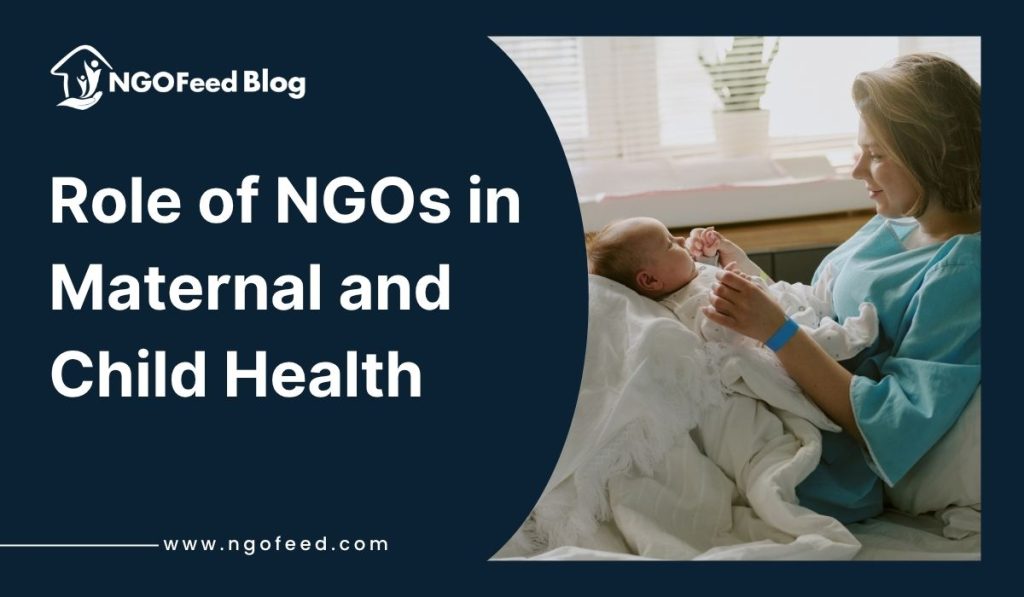
Role of NGOs in Maternal and Child Health: One of the most crucial pillars of sustainable development and public health is maternal and child health. The health, education, and economic stability of any community depend on the well-being of mothers and children. Nevertheless, not all women and children are provided with equal opportunities, as some still have to overcome the challenge of limited healthcare access, malnutrition, lack of awareness, and a deficient medical infrastructure, particularly in rural and underserved areas.
The NGOs have a critical role in mitigating these issues through maternal care, child nutrition, immunisation, and community health education. NGOs can contribute to better health outcomes for mothers and children through grassroots initiatives, mobile health clinics, government partnerships, and community awareness campaigns. With closures in healthcare, these organizations ensure that disadvantaged groups receive the care and support they need during pregnancy, childbirth, and early childhood.
Table of Contents
Understanding Maternal and Child Health
Maternal and child health encompasses the medical and welfare needs of women during pregnancy, childbirth, and the postnatal period, as well as the well-being and growth of children and infants.
This discipline focuses on improving health outcomes through adequate medical treatment, diet, immunisation, and early childhood development initiatives. Maternal health includes antenatal care, safe delivery services, and postpartum care for the mother. Issues related to child health revolve around newborn care, immunization, nutrition, and monitoring physical and cognitive development.
Health services focused on maternal and child health are important for improving long-term health and development, since early-life development is highly influential. Healthy babies are also more likely to be born to healthy mothers, and children who are properly cared for in their early years are more likely to succeed in their studies and social lives.
But in most developing countries, the issue of maternal mortality and child mortality is still of significant concern because of the lack of access to healthcare and lack of awareness. NGOs are major players in addressing such problems by conducting specific health initiatives and providing communities with necessary healthcare facilities.
Why NGOs Play a Crucial Role in Maternal and Child Health
NGOs are also uniquely placed to promote maternal and child health because they work closely with communities and, in many cases, operate in places where government healthcare provision is scarce.
Closing the divide between medical care and the underserved communities and groups is also one of the core functions of NGOs. NGOs often work in far-flung villages and slums, where they offer various services, including health camps, prenatal checkups, and nutrition initiatives.
These organisations also work hand in hand with the government health programs to enhance the health care delivery. There are programs like the Mother NGO (MNGO), which is part of India’s National Health Mission, where NGOs provide reproductive and child health services in underserved areas, including antenatal care, family planning education, and immunizations.
Also, NGOs promote the health policies, the state of the healthcare system, and the financing of maternal and child health campaigns.
Important Programs and Interventions of NGOs.
NGOs run a number of programs to improve maternal and child health. These programs are aimed at prevention, treatment and long-term health care.
Antenatal and Postnatal Care.
Several NGOs provide regular health screenings and medical advice to pregnant women. Through these services, it is possible to detect high-risk pregnancies at early stages and also ensure that the mother receives quality medical attention, both before and after delivery.
Programs often include:
- Regular pregnancy checkups
- Nutritional supplements
- Monitoring of fetal growth
- After birth health surveillance.
Mothers and newborns are usually monitored at these crucial phases in the course of community health efforts to decrease infant and maternal mortality rates.
Healthcare and Child Immunization.
One of the most effective ways to prevent childhood diseases is through vaccination. NGOs, in collaboration with local health care systems, organize immunization campaigns and sensitization programs to help children receive necessary vaccinations.
Nutrition Programs
Mothers and children are faced with the challenge of malnutrition. NGOs have initiatives in place to offer nutrition programs by providing food supplements, promoting breastfeeding, and educating families on balanced diets.
Home-Based Newborn Care
NGOs can also train community health workers to provide baby care at home in rural areas where hospitals may be too distant. The employees check newborns’ health and provide families with information on how to care for their children safely.
Community Awareness and Health Education Programs.
One of the areas where NGO programs have concentrated is community education and awareness. There are numerous maternal and child health issues caused by ignorance in healthcare practices.
The NGOs hold workshops, training programs and community outreach programs to train the families on:
- Importance of prenatal care
- Safe childbirth practices
- Breastfeeding and infant nutrition.
- Hygiene and sanitation
- Family planning
Such programs enable women and families to make wise choices concerning their health. By raising awareness, NGOs prevent complications in pregnancy and help reduce the risk of complications for the newborn.
Education is also useful in breaking social barriers such as early marriage, gender inequality, and poor health habits.
Collaboration Between NGOs, Governments, and Communities
Effective maternal and child health programs usually involve the coordination of NGOs, governments, health care providers, and community members.
Governments support the policy and provide funds, whereas NGOs assist in the execution of programs on the ground. Community health workers, volunteers, and local leaders are important for service provision and for fostering trust among community members.
Indicatively, local health workers are trained through many NGO programs to assist pregnant women, monitor newborn health, and offer health advice to families. These community-based strategies make healthcare more accessible and culturally acceptable.
These alliances strengthen health systems and ensure that maternal and child health services are provided to those most in need.
Impact of NGO Efforts on Maternal and Child Health Outcomes
In most regions of the world, NGO efforts have contributed to improving maternal and child health.
They have contributed to:
- More institutional births and safer birth.
- Increased child immunisation.
- Reduced malnutrition rates
- More awareness on reproductive health.
- Improved availability of health services in the rural communities.
Home visits and ongoing engagement of mothers in programs that connect them with healthcare professionals have also had positive effects on maternal and child well-being.
NGOs can reduce health risks and increase survival rates by preventing, educating, and intervening early for many mothers and children.
The issues NGOs encounter in enhancing maternity and child health
NGOs face various challenges in implementing maternal and child health programs, despite their significant contributions.
Limited Funding
Medical programs need a lot of money in terms of medical equipments, qualified personnel and outreaches.
Lack of Infrastructure
Remote regions are usually deficient in hospitals, transport, and medical supplies, which complicates the provision of healthcare services.
Barriers based on Culture and Social.
Some of the traditional beliefs and social norms do not allow women to seek medical services when pregnant or giving birth.
Healthcare Professionals Shortage.
Several communities face a shortage of trained doctors, nurses, and other health workers.
To overcome these obstacles, NGOs have relied on the government, international organizations, and private-sector donors.
Conclusion
Healthy communities and sustainable development are well-grounded in maternal and child health. NGOs are vital in enhancing access to healthcare, raising awareness, and providing life-saving programs for mothers and children.
NGO support through antenatal care, immunization campaigns, nutrition, and community health education reduces maternal and infant mortality and increases overall well-being. Their grassroots strategy helps them reach vulnerable groups and ensure that healthcare services are affordable to everyone.
As the global health landscape continues to shift, NGOs will play an integral role in building stronger, healthier communities through their efforts in maternal and child health. These organizations are committed to ensuring all mothers and children receive the care they need and deserve.
Frequently Asked Questions (FAQs)
1. What is maternal and child health?
Maternal and child health encompasses healthcare services that address the health of mothers during pregnancy and childbirth, as well as the health and development of infants and children up to age 5.
2. What role do NGOs play in maternal and child health programs?
By working with underserved communities, NGOs provide health education, coordinate mobile services, and assist in implementing government health policies.
3. How can communities assist with maternal and child health programs?
Communities can support these programs by participating in health services, providing educational materials, volunteering with NGOs, and participating in health advocacy campaigns.
4. What types of services do NGOs provide to mothers and children?
Services offered by NGOs to mothers and children include prenatal care, support for safe birthing practices, immunization programs, nutrition support, and education on healthy practices.
Top NGOs State Wise List
Related NGO's Role Posts