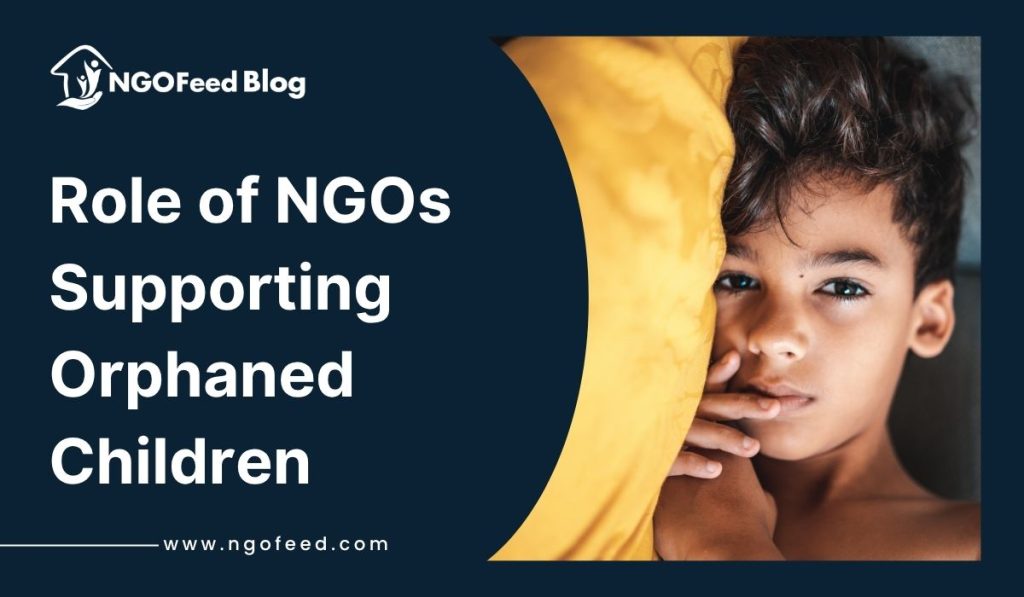
NGOs Supporting Orphaned Children: One of the vulnerable groups in society is the orphaned children who usually have to cope with a lack of shelter, education, emotional support and protection. In their absence, they become more vulnerable to poverty, exploitation, and exclusion in society. Their well-being is a humanitarian issue and is critical in establishing inclusive and sustainable communities.
Non-Governmental Organisations (NGOs) play a transformative role in caring for orphaned children, offering more than basic needs and education; they provide holistic care, including emotional support and long-term rehabilitation. NGOs can help provide safe environments where orphaned children can develop, learn, and prosper through community-based initiatives, partnerships, and advocacy.
Table of Contents
What Is the Situation of Orphaned Children Today?
Orphaned children are usually vulnerable in more than one way. When there is no parental care, these may result in poor food, shelter, education, and health care. Child labour, trafficking, and neglect are other risks that such children are exposed to in most developing parts.
This is not just a matter of survival but also of development and inclusion. Homeless children usually experience emotional trauma, an identity crisis, and growth deficiencies. These issues need to be addressed through a long-term strategy that goes beyond a simple temporary solution.
Why NGOs Play a Crucial Role in Supporting Orphans
NGOs are well-positioned to help orphaned children because of their grassroots presence and community involvement. They usually work in regions where government assistance may be limited or unavailable.
Their major strength is that they can deliver holistic care, addressing a patient’s needs physically, emotionally, educationally, and socially. Another role NGOs play is serving as a link between communities, governments, and donors, and, as such, resources are channelled to children who most require them.
This is why many international organizations, such as SOS Children’s Villages, operate in different countries to offer alternative forms of childcare and promote children without parents and communities worldwide.
NGOs serve children and advocate for their rights and the need for better policies to safeguard vulnerable children.
Key Services Provided by NGOs for Orphaned Children
The services that NGOs provide cover the short term and long term needs of orphaned children.
Basic Needs and Shelter
The most important steps to ensure children’s survival and dignity are to provide food, safe housing, and clothing. To provide a safe environment, NGOs set up shelters, foster homes and childcare centres.
Healthcare and Nutrition
Physical development requires regular health checkups, vaccinations and nutritional care. NGOs also guarantee access to healthcare services, particularly for those who are less served.
Protection and Safety
The orphaned children are susceptible to exploitation. NGOs endeavour to save children’s lives by advocating for children’s rights, scrutinizing care settings, and cooperating with legal authorities.
These basic services ensure that children are not only safe but also have the opportunity to develop in a supportive environment.
Education and Skill Development for a Better Future
One of the best tools NGOs can use to establish a poverty-free cycle among orphaned children is education.
Many organisations provide:
- Scholarships and school enrolment.
- Books and uniforms used in schools.
- Availability of electronic learning resources.
- Professional skills development and training.
Indicatively, in Kenya, NGOs have been used to assist thousands of orphans in receiving an education through scholarship and school support programs.
Organizations like Khpal Kor Foundation offer not only education but also shelter and boarding facilities, thus children are afforded equal learning opportunities.
Education helps children become self-sufficient and enhances their chances of securing a stable job later in life.
Emotional Support and Psychosocial Care
Emotional and psychological well-being is one of the least considered parts of orphan care.
Children being deprived of their parents are prone to trauma, grief, and abandonment. NGOs deal with these problems by:
- Mental health and counseling.
- Mentorship programs
- Peer support and group activities.
- Healthy and conducive spaces.
Psychosocial care is incorporated into many education and community support programs to help children cope with emotional stress and build resilience.
By attending to emotional health NGOs make sure that children grow confident, have self-esteem, and social skills.
Community-Based Care and Rehabilitation
Contemporary strategies towards the management of orphan care are changing institutional care to community-based treatment.
NGOs now focus on:
- Encourage care and family based care systems.
- Helping the extended families and caregivers.
- Community training as caregivers.
- Creating awareness of child rights.
For example, some organizations, such as Starfish Great Hearts Foundation, fund community-based projects that empower local communities to care for orphaned children effectively.
Community participation would mean that children would be raised in environments they are used to (culturally) and would receive more personalized attention.
Impact of NGO Efforts on Orphaned Children
NGOs have contributed to significant changes in the lives of orphans worldwide.
Improved Living Conditions
Children have access to safe housing, good nutrition as well as medical care.
Improved Educational Performance.
Enrolment and literacy levels in schools are increasing, giving children a new opportunity.
Healthier Emotional Well-Being.
Resilience and trauma are overcome in children through counselling and support systems.
Social Integration
Children are active members of society and contribute to their communities.
Other organizations, such as Distressed Children and Infants International, have programmes that integrate education, healthcare, and child sponsorship to improve long-term outcomes for vulnerable children.
All these efforts are a way of breaking the poverty and vulnerability cycle.
Challenges NGOs Face in Supporting Orphans
Irrespective of their effectiveness, NGOs experience a number of difficulties with effective assistance:
Limited Funding
Long-term program maintenance requires a continuous financial stream.
Infrastructure Gaps
Remote places usually lack adequate resources and facilities.
Social and Cultural Barriers.
Children may be unable to receive care due to stigma and traditional beliefs.
Need for Sustainable Models
To make sure children have long-term care and independence, the innovation is constantly needed.
To overcome these challenges, NGOs should constantly change their strategies, form collaborations, and invest in sustainable solutions.
Conclusion
The contribution of NGOs to the lives of orphaned children is life-changing. The NGOs assist children in transitioning from vulnerability to empowerment by addressing fundamental needs, providing education, offering emotional support, and encouraging locally based care.
They do not just provide charity; they also offer a chance, restore dignity, and create the conditions for a brighter future. With the ever-changing global challenges, it would be better to support NGOs and enable communities to participate to ensure that each orphaned child has the opportunity to live a healthy, safe, and full life.
Frequently Asked Questions (FAQs)
1. What is the contribution of NGOs to the support of the orphaned kids?
NGOs offer shelter, education, health care, emotional support, and protection for orphaned children, thereby promoting holistic development.
2. What is the role of NGOs in assisting orphaned children to get an education?
They provide scholarships, school enrolment, learning resources, and vocational training.
3. What is so special about emotional support of orphaned children?
Emotional support helps children overcome traumatic experiences, gain confidence, and build healthy social relationships.
4. What can individuals do to help NGOs of the orphaned children?
Personal contribution is possible in the form of donations, volunteering, raising awareness, and community projects.
Top NGOs State Wise List
Related NGO's Role Posts