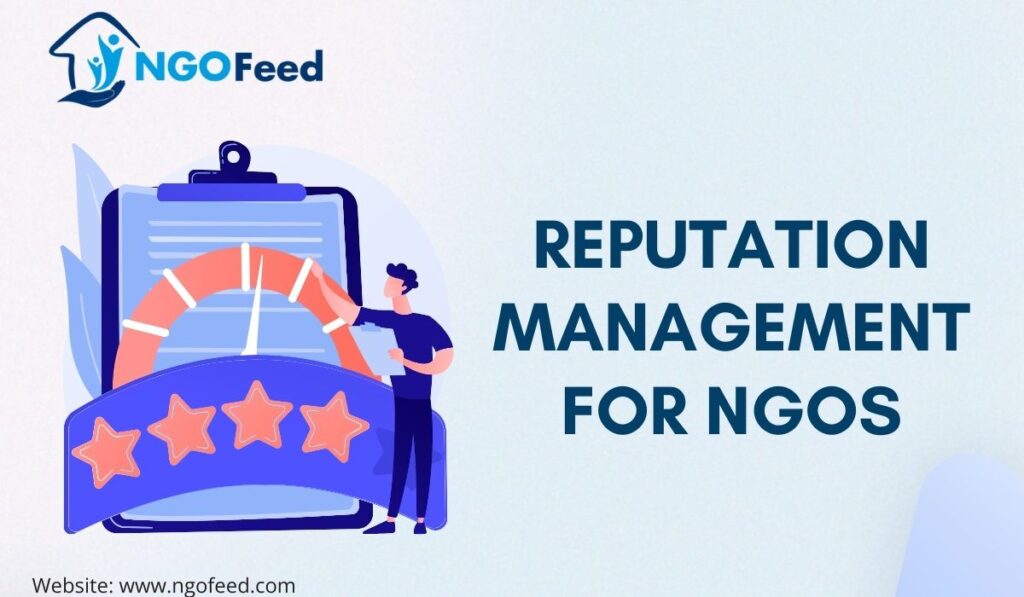
Reputation Management for NGOs: Reputation management is the practice of influencing stakeholder perceptions and public conversations about an organisation and its brands. It includes monitoring perceptions and conversations, responding to reputation threats and proactively seizing opportunities to boost reputation.
Reputation management is part of a comprehensive organisational strategy that implicates most business functions in some capacity, including communications, marketing, legal, customer experience, and sales and loyalty.
Table of Contents
Types Of Reputation Management
Reputation management (ORM) strategies are designed to improve and maintain the narrative surrounding individuals, brands, or organisations. Here are some common types of reputation management within ORM:
1. Online Reputation Management: This involves controlling an individual’s or organisation’s reputation by monitoring and responding to online reviews, comments, and mentions. It also includes creating positive content to enhance overall reputation.
2. Crisis Management: This strategy aims to minimise the damage caused by a crisis or negative event. It involves implementing a clear plan to address the situation, communicate effectively with stakeholders, and reduce reputational harm.
3. Brand Management: This focuses on building and maintaining a positive reputation for a brand or product. Effective brand management includes creating a strong brand image, communicating brand values, and consistently delivering on brand promises to enhance reputation.
4. Personal Reputation Management: This type is dedicated to managing and improving the reputation of individuals, such as public figures or executives. It involves monitoring public perception across various channels, including social media, interviews, and public appearances.
5. Reputation Repair: This strategy focuses on rebuilding a damaged reputation. It involves addressing the root causes of the damage, implementing corrective measures, and actively working to regain trust and credibility.
How To Build And Maintain A Positive Online Reputation?
1. Audit Your Online Presence
Start by searching for your name online to see what others can find about you. Review social media profiles, websites, and online directories for outdated, irrelevant, or negative content. Update your profiles with accurate and current information, including your skills, achievements, and professional photos. Ensure your content aligns with your career goals.
2. Create Valuable Content
Share content that demonstrates your expertise and personality. Use blogs, videos, podcasts, and online courses to offer insights and solutions. Engage with reputable platforms and communities in your field. Quality content, whether written or visual, builds trust and enhances your personal brand.
3. Engage with Your Network
Build relationships with peers, mentors, and potential employers or clients by interacting on social media and professional platforms. Join industry-related groups and participate in discussions. Providing feedback, offering advice, and sharing valuable content strengthens your online presence.
4. Monitor and Manage Your Reputation
NGOs can monitor and manage their reputation online by utilizing online monitoring tools such as Google Alerts, Brand24, Mention, Talkwalker, and Hootsuite to keep a record of when their name is mentioned by others on the Web in real-time and through social media. They can also respond to potential reputation-related risks by quickly responding to inquiries or feedback from stakeholders that may pose concerns to the organization. Ongoing monitoring of their reputation allows NGOs to resolve issues before they escalate and lose public confidence in them.
5. Showcase Transparency and Impact
An increasing number of donors, volunteers, and partners now look for transparency from an NGO before they show support. Publishing regular impact reports, stories from those benefiting from the NGO’s services, updates on projects, and financial disclosures on your organization’s website and social media channels will establish measurable outcomes of your NGO’s contribution to the community. This can help your organization build and enhance trust and credibility and positively contribute to your organization’s digital reputation.
How Does Reputation Management Mould NGOs?
Reputation management significantly influences NGOs in several ways:
1. Building Credibility
A strong reputation enhances the credibility of NGOs, helping them gain trust from stakeholders, including donors, partners, and the communities they serve. Effective reputation management communicates the NGO’s mission, values, and impact, reinforcing its reliability.
2. Attracting Funding
Positive reputation management can lead to increased funding opportunities. Donors and grant-making organisations are more likely to support NGOs that demonstrate transparency, accountability, and a proven track record of success.
3. Enhancing Visibility
By actively managing their reputation, NGOs can improve their visibility in the public eye. This includes leveraging social media, engaging in storytelling, and showcasing their achievements, which helps to raise awareness of their cause.
4. Crisis Response
Reputation management equips NGOs to handle crises effectively. By having a crisis communication plan in place, NGOs can address negative events or feedback promptly, minimising damage to their reputation and maintaining stakeholder trust.
5. Fostering Community Engagement
A good reputation encourages community engagement. NGOs that are perceived positively are more likely to receive support from local communities, volunteers, and advocates, which is crucial for their operations and outreach.
6. Strengthening Partnerships
A strong reputation can facilitate collaborations with other organisations, governmental bodies, and the private sector. NGOs known for their integrity and effectiveness are more attractive partners for joint initiatives and programs.
7. Improving Operational Effectiveness
Reputation management involves collecting and responding to feedback, which can lead to improved services and programs. By understanding stakeholder perceptions and needs, NGOs can refine their strategies and operations for greater impact.
8. Empowering Advocacy
NGOs with a solid reputation can more effectively advocate for their causes. A trusted organisation is better positioned to influence policy changes and garner public support for important issues.
9. Enhancing Digital Trust
With the rise of the digital age, many stakeholders will search for information about an NGO online prior to donating, volunteering, or partnering with an NGO. Establishing an NGO’s digital trust and having long-term supporters requires having a positive digital reputation supported by authentic impact stories, transparent and open communication, and engaging with your supporters online.
Managing Misinformation and Fake News
In today’s rapidly changing digital environment, it can be difficult for NGOs to manage the spread of false or misleading information and inappropriate social media content. Monitoring social media, engaging with social media users, providing verified information, issuing official statements when appropriate, and using improved methods of communicating with your stakeholders will help you create an open dialogue where all parties can feel confident in your reputation and integrity.
How to Handle a Reputation Crisis For Non-Profit?
Define reputational risk
Reputational risk is the potential loss of trust, support, or influence that a nonprofit may suffer as a result of a negative perception or opinion about its actions, values, or performance. Reputational risk can affect a nonprofit’s ability to attract and retain donors, volunteers, partners, and beneficiaries, as well as its advocacy and policy impact. Reputational risk can also expose a nonprofit to legal, regulatory, or financial consequences.
Identify the sources of reputational risk
To assess reputational risk in a crisis, a nonprofit needs to identify the sources and causes of the negative perception or opinion. These can range from internal ethical breaches or scandals involving staff, board members, or beneficiaries to external financial mismanagement or fraud.
Ineffective or inefficient programs or services, a lack of transparency or accountability, poor governance or leadership, conflicts of interest or values, negative media coverage or social media feedback, competition or criticism from other nonprofits or stakeholders, and political or social controversies or changes are all common sources of reputational risk for nonprofits.
Evaluate the impact of reputational risk
In order to evaluate the impact and severity of a negative perception or opinion on a nonprofit’s reputation and credibility, one must consider the extent and reach of the negative opinion, the credibility of the source, its relevance and validity, the expectations of key audiences and stakeholders, how it aligns with the nonprofit’s mission and values, as well as any potential or actual consequences it may have on the nonprofit’s operations, finances, or legal status.
Develop a response strategy for reputational risk
In order to adequately address reputational risk, a nonprofit must develop an appropriate, timely, and effective response strategy. This strategy should include a clear and consistent message that communicates the nonprofit’s position, values, and actions. It should also designate a spokesperson or team to interact with the media, social media, and other stakeholders.
Manage reputational risk in a crisis
Managing reputational risk in a crisis is not a one-time event, but an ongoing process that requires constant attention and adaptation. Nonprofits need to maintain transparency and accountability with key audiences and stakeholders, demonstrate and communicate impact and value, align and reinforce mission and values, seek and respond to feedback and criticism, collaborate and cooperate with other nonprofits and stakeholders, anticipate and prepare for potential crises, and learn from past crises in order to effectively manage reputational risk.
Conclusion
As we move into 2026, reputation management is no longer just about traditional PR tactics; it encompasses digital storytelling, audience engagement, transparency in the use of information, protecting your community’s and organization’s information, and engaging in proactive communication with stakeholders. Organizations that are consistent about how they communicate their value and impact to stakeholders will be more likely to keep the trust and support of the public in the long-term.
Top NGOs State Wise List
Related NGO's Digital Solutions Posts