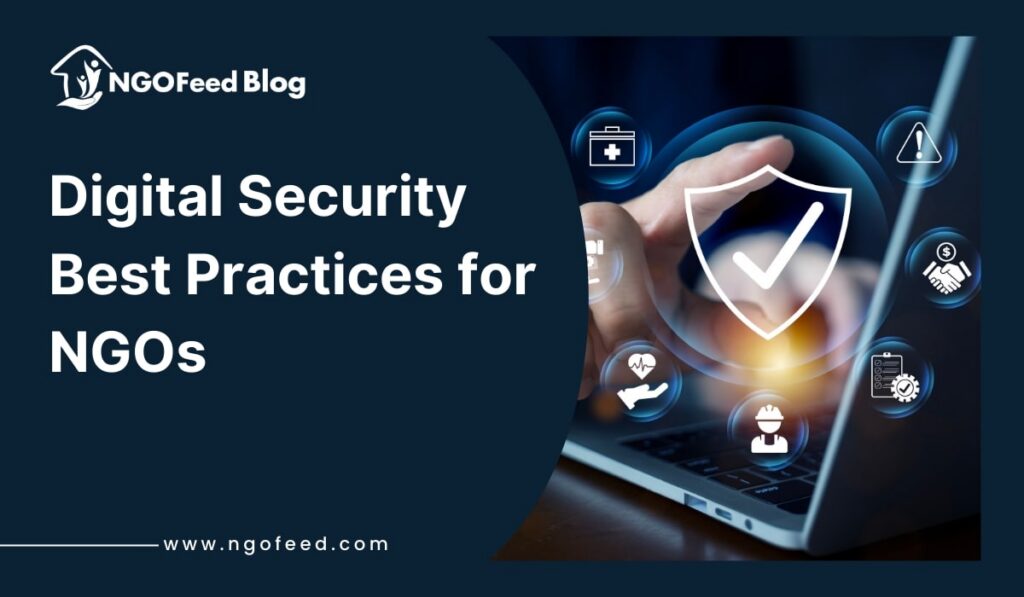
Digital Security Best Practices for NGOs: Advancement of human rights, delivery of services, and lobbying for social change depend heavily on Non-Governmental Organizations (NGOs). By so doing, they often deal with sensitive data, including financial transactions, beneficiary data, donor information, and communication logs. This exposes NGOs to cyber-attacks ranging from malware and phishing attacks to data leaks and surveillance.
For the company and the communities it supports, enhancing digital security guarantees confidence, credibility, operating stability, and safety.
Table of Contents
1. Robust authentication and access controls
- All accounts need distinct, complicated passwords.
- Wherever possible, enable multi-factor authentication (MFA).
- Store and share credentials safely using a password manager.
- Use role-based access control (RBAC) so only approved employees can get sensitive information.
- Every now and again, check for and withdraw access for former workers and volunteers.
2. Protection of Data and Privacy
- To stop unauthorized access, encrypt sensitive documents and devices.
- Use end-to-end encryption on secure cloud systems to keep sensitive information stored.
- Keep backups on offline disks as well as in secure cloud storage.
- Establish data retention and deletion guidelines to limit access to out-of-date data.
- When at all possible, redact personal identifiers—especially for at-risk groups.
- NGOs should comply with national and international data protection standards, such as:
- General Data Protection Regulation (GDPR) if handling data of EU citizens.
- India’s Digital Personal Data Protection Act (DPDPA) 2023 or other local data laws.
Implement clear data retention policies, obtain informed consent, and anonymize sensitive data wherever possible.
Also Read: LinkedIn vs X (Twitter) For NGOs
3. Safe Communication and the Internet
- On public or shared Wi-Fi, employ VPNs.
- For delicate conversations, choose encrypted communication services like WhatsApp, Signal, or ProtonMail.
- For formal NGO communication, stay away from personal accounts.
- Always check links before clicking to guard against phishing attempts.
4. Network and Device Security
- Keep software, applications, and operating systems modern.
- Every device should have antivirus and anti-malware security.
- Using robust passwords and WPA3 encryption, activate firewalls and secure routers.
- On mobile devices and computers, use disk encryption.
- Lock mechanisms using complicated passwords, biometric verification, or robust PINs.
5. Awareness and Staff Training
- Provide employees and volunteers with regular cybersecurity seminars.
- Teach personnel to spot phishing emails, malicious attachments, and social engineering strategies.
- Encourage digital cleanliness habits including logging out of shared computers and staying away from unsourced USBs.
- Foster a culture of reporting whereby employees can immediately flag suspicious behaviour.
6. Resisting social engineering
- Check every request for financial records or sensitive information.
- For sizable fund transfers, employ dual approval systems.
- Cross-check communications via other channels if demands seem odd.
- Instruct employees on impersonation dangers, fraudulent donor solicitations, and scam phone calls.
7. Policies, Compliance, and Governance
- Create a Digital Security Policy including data management, device usage, and online communication.
- Make sure that data protection laws (e.g., GDPR, India’s DPDP Act) are observed.
- Make sure you conduct digital security audits often.
- Set explicit guidelines for personal device (BYOD) use.
Also Read: Video Content vs Image Content for NGOs: What Engages NGO Audiences Better?
8. Handling Incidents and Crisis Management
- Keep a cybersecurity incident response plan with well-defined roles and responsibilities.
- Make sure legal experts, cybersecurity partners, and emergency IT contacts are easily available.
- Where necessary, report violations rapidly to concerned parties and authorities.
- Practice for ransomware, phishing, or data breach situations by means of conduct simulation exercises.
9. Support Networks and Working Together
- Collaborate with NGOs offering cybersecurity tools, such TechSoup and Access Now.
- Participate in international networks and forums to keep current with threats.
- Work with partner NGOs to distribute training and materials.
- Interact with contributors to assign money for digital security projects.
- NGOs can partner with cybersecurity organizations, digital rights groups, or technology companies offering pro bono security audits, training programs, or tools tailored for the nonprofit sector.
- Platforms like Access Now, TechSoup, and NGO source provide valuable resources for digital protection.
Also Read: Facebook vs Instagram for NGO Fundraising
Conclusion
For NGOs, digital security is not just a technical necessity—it is a core element of organizational resilience. By adopting robust authentication practices, encrypted communication, regular staff training, and clear policies, NGOs can significantly reduce cyber risks. Protecting digital assets means protecting beneficiaries, staff, and mission integrity.
A secure NGO is an empowered NGO—able to serve communities confidently while safeguarding trust and credibility.
Also Read: Digital Transformation in Nonprofit Sector
Frequently Asked Questions (FAQs)
Q1. Why is digital security important for NGOs?
NGOs handle sensitive data such as beneficiary details, donor records, financial information, and advocacy communications. A breach can harm vulnerable communities, damage trust, and disrupt operations.
Q2. What are the biggest digital threats NGOs face?
Phishing attacks (fake emails or links)
Malware and ransomware
Data theft or leaks
Social engineering (tricking staff into giving information)
Weak passwords and poor access control
Q3. How can NGOs protect sensitive beneficiary data?
Encrypt files and databases
Limit access to only essential staff (role-based access)
Regularly back up data
Delete old or unnecessary records
Train staff on privacy practices
Q4. Our NGO has limited resources. What simple steps can we take immediately?
Use strong, unique passwords with MFA
Update all software and devices
Use free/affordable tools like password managers and VPNs
Train staff to recognize phishing emails
Use secure, encrypted communication apps (Signal, WhatsApp)
Top NGOs State Wise List
Related NGO's Digital Solutions Posts