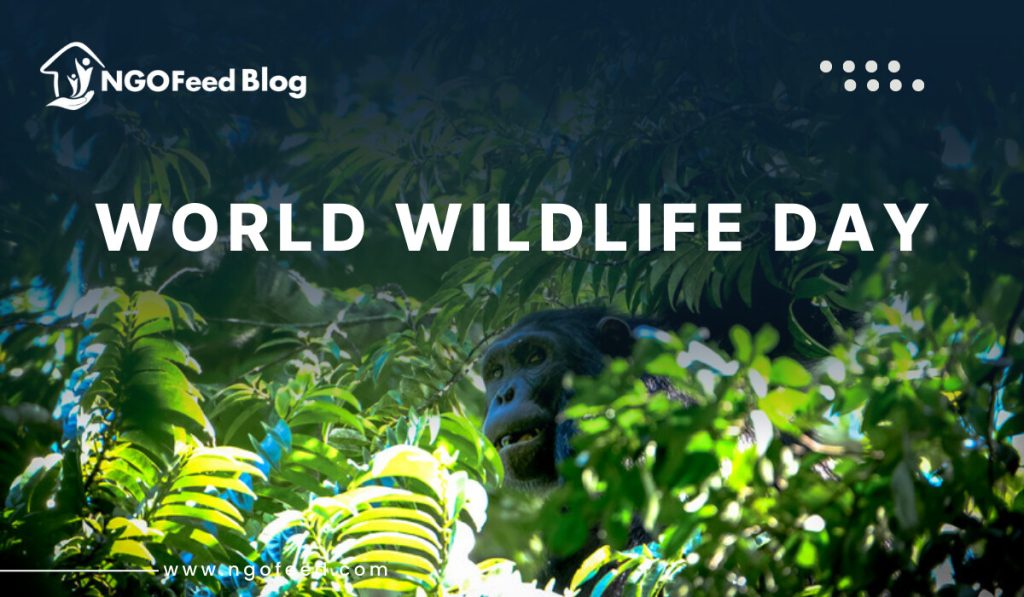
Every year on 3 March, World Wildlife Day is a worldwide event meant to increase knowledge of the value of wild plants and animals and the urgency of biodiversity conservation. Wildlife is essential for preserving life on Earth, supporting livelihoods, and maintaining the ecological balance. Rising hazards like habitat loss, climate change, poaching, and unlawful trade of species have, however, put great pressure on world animal populations.
Table of Contents
What is World Wildlife Day?
Celebrated worldwide, World Wildlife Day is an official United Nations observance dedicated to the preservation and protection of wildlife and biodiversity. It presents a chance for governments, NGOs, schools, and local people to work together to advance wildlife preservation, sustainable use of natural resources, and respect for nature.
World Wildlife Day History
In 2013, the United Nations General Assembly declared World Wildlife Day. The Convention on International Trade in Endangered Species of Wild Fauna and Flora (CITES) was signed in 1973 on March 3rd. The event underlines international initiatives to control wildlife commerce and avoid species extinction.
Topic
Every year World Wildlife Day is observed under a particular theme announced by the United Nations.
Current topics have underlined:
- Wildlife protection and sustainable livelihoods
- Restoring ecosystems and forests
- Digital inventiveness in wildlife conservation
- Funding for wildlife preservation
- Young involvement in biodiversity preservation
The topic inspires international debates, projects, and preservation efforts.
Objectives and goals
Among the main goals of World Wildlife Day are:
- Increasing knowledge of the importance of wildlife and biodiversity
- Encouraging preservation of threatened species
- Fighting illicit trade in wild animals
- Promotion of sustainable use of natural resources
- Greater worldwide cooperation for wildlife preservation
Why It Matters: For charities and society
Ecological stability, climate resilience, and human survival all depend on wildlife preservation. For millions of people, healthy ecosystems support food security, medicine, and income.
World Wildlife Day is significant for civil society organizations and nonprofits as it:
- Increases biodiversity protection advocacy
- Supports local conservation initiatives.
- Highlights Native and traditional knowledge for conservation
- Matches SDG 13 (Climate Action) and SDG 15 (Life on Land)
- Promotes public involvement and policy involvement.
How to observe
One can celebrate World Wildlife Day by:
- NGOs, companies, and people
- Designing nature walks and awareness events for wildlife
- Arranging panel talks and seminars about preservation
- Performing habitat restoration and tree planting helps to propel drive
- Encouragement of messages about wildlife preservation on social media
- working with conservation organizations and forest divisions
World Wildlife Day 2026 Activities
Common activities include:
- Wildlife photography and poster exhibitions
- School and college awareness campaigns
- Community clean-up drives in forest and wetland areas
- Documentary screenings and discussions
- Art, essay, and slogan-writing competitions
- Fundraising events for conservation projects
NGOs’ Role & Challenges of World Wildlife Day
Role of NGOs
NGOs play a critical role by:
- Conducting grassroots wildlife conservation programs
- Protecting endangered species and habitats
- Advocating for stronger wildlife protection laws
- Educating communities about biodiversity conservation
- Supporting sustainable livelihood alternatives to reduce dependency on wildlife exploitation
Challenges Faced
- Limited funding and resources
- Human-wildlife conflict in vulnerable regions
- Illegal wildlife trade networks
- Climate change impacts on ecosystems
- Lack of community awareness and participation
Conclusion
World Wildlife Day serves as a powerful reminder that protecting wildlife is protecting our future. Conservation efforts require collective action from governments, NGOs, communities, and individuals. By safeguarding wildlife and natural habitats, we ensure ecological balance, sustainable development, and a healthier planet for future generations.
Frequently Asked Questions (FAQs)
Q1. When is World Wildlife Day observed?
It is observed annually on 3 March.
Q2. Who declared World Wildlife Day?
The United Nations General Assembly declared it in 2013.
Q3. Why is March 3 significant?
It marks the signing of CITES in 1973.
Q4. What is the role of NGOs on World Wildlife Day?
NGOs raise awareness, implement conservation programs, and advocate wildlife protection policies.
Q5. Which Sustainable Development Goals are linked to World Wildlife Day?
Primarily SDG 15 (Life on Land) and SDG 13 (Climate Action).
Related NGO's Article Posts