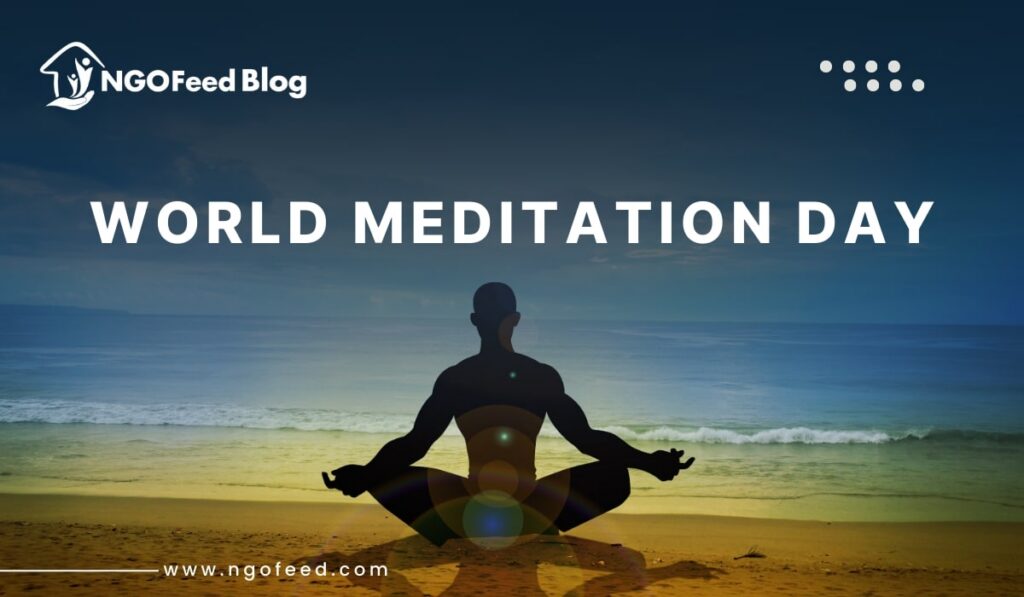
Celebrated on December 21, World Meditation Day urges people and groups to stop, breathe, and reconnect with themselves by means of mindfulness techniques. Mental stress, anxiety, and emotional imbalances have become everyday problems as the speed of contemporary life increases. A straightforward but effective way to develop internal calm, clarity, and emotional resilience is meditation. This celebration promotes the idea that meditation can significantly enhance the quality of life and that mental well-being is as important as physical health. This day is used by schools, non-governmental organizations, and other groups to educate people of all ages on the transformational advantages of meditation.
Table of Contents
World Meditation Day History
World Meditation Day is a worldwide project that:
- Inspires people to meditate, engage in mindfulness, and breathework.
- Encouragement of mental health, stress management, and emotional balance
- Offers educational chances to pick up meditation methods.
- Honors meditation as a universal, affordable habit that helps general well-being.
- Under one objective—fostering peace and harmony through meditation—the day brings together schools, businesses, wellness organizations, and communities.
Indian, Chinese, and Tibetan customs all have age-old roots in meditation. It developed over several centuries into different traditions including Yoga, Vipassana, Zen, and Mindfulness.
Emerging as part of the worldwide movement supporting natural, non-medical stress management techniques, World Meditation Day Many companies started noting the day around the winter solstice (21 December) as it represents introspection, rebalancing, and inner enlightenment.
Yoga academies, spiritual groups, nonprofits, and mental health activists all around now help to foster the practice.
World Meditation Day 2026 Theme
The organization determines the themes; common ones comprise:
- “Inner tranquility for outside peace”
- “Mindfulness for Psychological Health”
- Stop. Breathe. Change.
- Meditation for a Life Free of Stress.
You can choose a theme suited with your program focus: well-being, emotional intelligence, or self-awareness.
Objectives and Aims
World Meditation Day seeks mainly:
- Encourage daily meditation practice for physical, emotional, and psychological well-being.
- to inform people about the scientific advantages of meditation
- To lower adults, teenagers, and children’s stress levels.
- To inspire good coping techniques and good lifestyles.
- To build emotional capabilities including patience, empathy, concentration, and self-control for the global mental health awareness campaign’s improvement.
Relevance for Societies and NGOs: Why It’s Important
Significance for Nonprofits
- NGOs employing meditation as a means of behavior change improvement operate in education, youth empowerment, and mental health.
- Programs of meditation assist sensitive populations in lowering anxiety, hostility, and stress.
- Programs for wellness increase emotional resilience and community cohesiveness.
- Meditation assists NGOs in their efforts on holistic health, awareness, and self-care.
Significance for Society
- Reduces stress, burnout, and mental weariness.
- Enhances productivity, memory, and focus
- Improves interpersonal connections and emotional stability
- Helps create a more peaceful, more compassionate society.
- Offers a cheap, globally available means of mental health.
How to Recognize World Meditation Day?
Through: schools, NGOs, health centers, and communities may note World Meditation Day.
- Sessions of morning group meditation
- Workshops on mindfulness, guided meditation, and breathing exercises
- Discussions by spiritual mentors, yoga teachers, or wellness experts
- Digital detox difficulties
- Activities in classes meant to be quiet
- Educational initiatives on meditation’s advantages.
World Meditation Day 2026 Activities
These are suggested activities for several groups:
FOR schools
- Five-minute daily awareness sessions
- Storytelling on quiet, patience, or breath consciousness
- Meditation spaces enhanced with soothing images
- Worksheets for mandalas in color
For Nonprofits
- Communities with stress-relief camps
- Emotional well-being workshops for ladies, kids, and elderly groups
- Group yoga and pranayama lessons
- Rallies raising mental health consciousness
For companies
- Sessions of “Mindful Break”
- Breath consciousness seminars
- Calm music hour or quiet thinking activity
The Role and Challenges of NGOs
Part of NGOs
- Offer meditation outreach initiatives in schools, slums, and rural regions.
- Instruct teachers and volunteers in mindfulness techniques.
- Through meditation provide emotional support and psychological first aid.
- Encourage meditation as a component of mental health advocacy.
- Organize community wellness activities with yoga institutions.
Difficulties Encountered by Nonprofit Organizations
- Insufficiently trained professors
- Few means for large-scale wellness events
- Cultural misunderstanding: meditation is “religious”
- Problem maintaining protracted involvement
- Reduced knowledge in some groups
Conclusion
World Meditation Day reminds us of our need to stop and reconnect with our inside selves. Meditation is a way of life that fosters peace, clarity, and compassion rather than just a discipline. Seeing this day boosts community well-being, helps emotional health, and inspires people to cultivate conscious behaviors. Integrating meditation into everyday life helps civilizations to become more peaceful, resilient, and emotionally intelligent. The observance challenges everyone—from kids to adults—to take one conscious step toward a better and more harmonious planet.
Frequently Asked Questions (FAQs)
What is World Meditation Day?
It is a day dedicated to promoting meditation for mental, emotional, and physical well-being.
Why is it observed on 21 December?
Many institutions link it to the winter solstice—a time for reflection, renewal, and spiritual growth.
Who can participate?
Anyone—students, teachers, professionals, seniors, NGOs, and communities.
Do you need special training to meditate?
No. Simple techniques like breathing awareness are suitable for beginners.
What are the benefits of meditation?
Reduces stress, improves focus, enhances emotional stability, and promotes overall well-being.
Related NGO's Article Posts