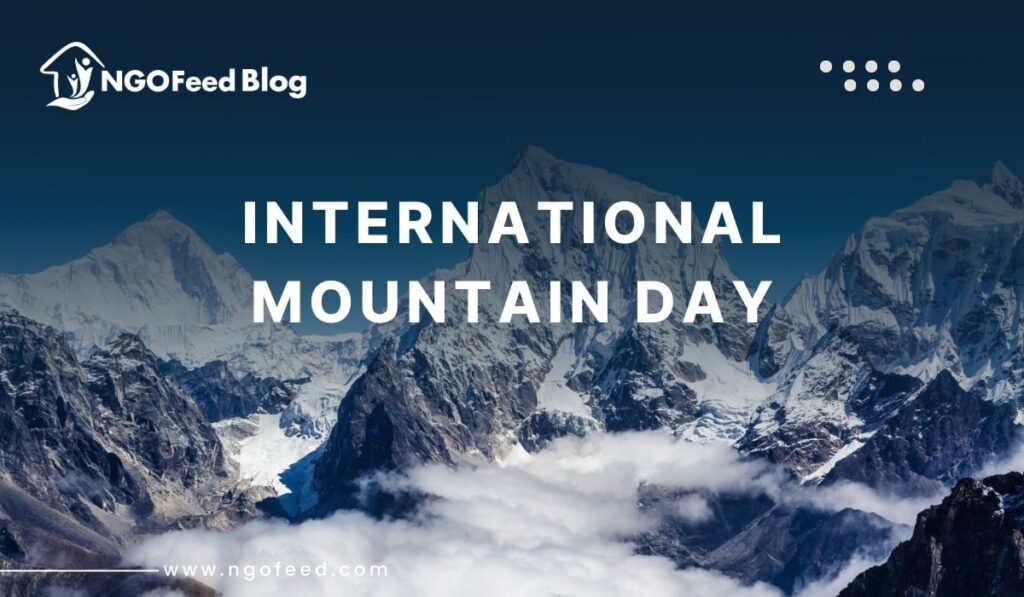
Observed every 11 December, International Mountain Day is a worldwide celebration meant to raise consciousness of the significance of mountains for life on Earth. Mountains offer food, energy, water, biodiversity, and provide necessary ecosystems besides breathtaking scenery. This celebration inspires individuals, governments, and companies to help communities reliant on mountains and safeguard them.
Table of Contents
What is International Mountain Day?
The United Nations created International Mountain Day to emphasize the environmental, cultural, and social importance of mountains. Emphasizing how mountain ecosystems may be conserved in the face of climate change, deforestation, and overexploitation, it acts as a call to action for sustainable mountain growth. The day also celebrates the tenacity of mountain people and their part in preserving history, biodiversity, and cultural legacy.
Background, or Origin: History of International Mountain Day
Following the United Nations General Assembly’s declaration of 2002 as the International Year of Mountains, 11 December was formally recognized as International Mountain Day beginning in 2003. The Food and Agriculture Organization (FAO) of the United Nations originally drove the project; it is still in charge of coordinating worldwide commemorations. The day has since grown into a global forum to support policies, studies, and alliances for sustainable mountain growth.
Theme: Yearly or Specific Theme, if applicable
International Mountain Day is observed every year under a different theme. Highlighting the vital part mountains have in adapting to and so reducing the effects of climate change, the 2025 theme centers on “Mountains Matter for Climate Resilience”. It draws attention to the necessity of preserving mountain biodiversity, avoiding soil erosion, and guaranteeing the means of sustenance of mountain villages under growing environmental threats.
International Mountain Day 2025 Goals and Targets: Aim and Anticipated Results
International Mountain Day aims to:
- Supporting sustainable mountain growth and guarding delicate ecosystems.
- Increasing world knowledge of the difficulties mountain people encounter, especially as a result of migration and climate change.
- Promoting programs and policies that assist biodiversity preservation, mountain farming, and tourism.
- Strengthening worldwide cooperation to guarantee economic and environmental sustainability in mountain areas.
- Improved conservation efforts, more community participation, and the use of environmentally friendly projects all around are among the anticipated results.
The expected outcomes include improved conservation measures, stronger community engagement, and the adoption of eco-friendly initiatives worldwide.
Relevance for NGOs and Society: Why It Matters
About 15% of the world’s population resides in mountains, which also support half of the planet’s biodiversity hotspots. More than half of mankind depends on them for freshwater. Mountains are swiftly deteriorating environmentally because of global warming, deforestation, and unsuitable tourism, yet they are quite important.
For NGOs, this day is important as it fits aims about sustainability, climate action, poverty reduction, and biodiversity preservation. This event presents NGOs active in agriculture, rural development, and environmental fields the opportunity to advance projects empowering mountain people, particularly women and indigenous groups.
Celebrations: Opportunities for NGO or individual participation
Organize school events, seminars, and lectures about the need of mountains.
- Mountain areas should have cleaning drives, tree-planting projects, or eco-trekking trips organized as part of community events.
- Using hashtags such as #InternationalMountainDay and #MountainsMatter, start social media initiatives.
- Advocate for sustainable mountain preservation by governments and businesses.
- Celebrate mountain cultures via art exhibits, storytelling events, or local food festivals.
Programs, Campaigns, or Activities Involved
Worldwide to celebrate the day are several events:
- Conferences and workshops on ecologically sensitive mountain growth.
- Showings featuring mountain villages’ life and problems.
- Campaigns for eco-tourism advocating ethical travel in mountainous regions.
- Biodiversity aims on wildlife preservation and reforestation.
- NGO-hosted fundraising activities for projects based in the mountains.
These events produce practical results for mountain ecosystem preservation in addition to increasing knowledge.
NGOs’ Function and Challenges: How NGOs Help and What Challenges They Have
Implementing grassroots initiatives, performing environmental education, and lobbying for policy change depend much on NGOs. They support afforestation initiatives, advance environmentally friendly farming methods, and offer substitute incomes to lower stress on mountain ecosystems. NGO-led worldwide collaborations support local communities’ empowerment as well as disaster readiness and climate change adaptation.
Difficulties NGOs face:
- Underfunded projects in high-altitude environments.
- Difficult geographical access and severe weather conditions.
- Local communities’ ignorance of long-term sustainability.
- Governmental and bureaucratic hurdles limiting conservation projects.
NGOs still play a major part in bridging the distance between local activity and international policy frameworks, notwithstanding these difficulties.
Conclusion
International Mountain Day helps us to remember that mountains are vital for the earth’s survival. Saving them guarantees the well-being of future generations, water bodies, and ecosystems. Safeguarding them guarantees the health of ecosystems, water sources, andthe next generations. From local awareness to worldwide policy, every effort helps to support mountain areas’ beauty, biodiversity, and livelihood. Working among governments, NGOs, and local people will help to guarantee that mountains keep towering as symbols of the strength and resilience of nature.
Frequently Asked Questions (FAQs)
Q1. Why do we celebrate International Mountain Day on 11 December?
It commemorates the UN’s initiative to promote sustainable mountain development and highlight their global importance.
Q2. Who organizes International Mountain Day?
The Food and Agriculture Organization (FAO) of the United Nations coordinates the annual observance.
Q3. What is the theme for 2025?
The 2025 theme is “Mountains Matter for Climate Resilience.”
Q4. How can individuals contribute?
By spreading awareness, reducing their ecological footprint, supporting eco-tourism, and participating in conservation activities.
Related NGO's Article Posts