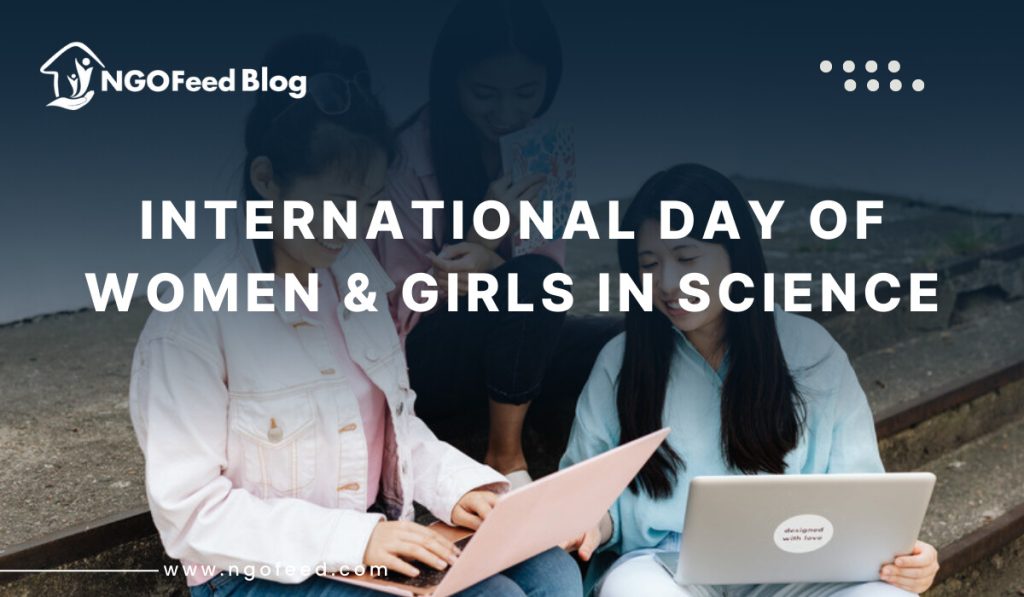
International Day of Women and Girls in Science: Celebrated every year on February 11, the International Day of Women and Girls in Science honors the crucial contributions women and girls make in science, technology, engineering, and mathematics (STEM). Women and girls are still underrepresented in scientific research, invention, and decision-making even after major worldwide scientific advancements. This commemoration acts as a worldwide call to advance gender equality, inclusivity, and equal access to scientific education and careers.
Table of Contents
What is International Day of Women and Girls in Science?
A United Nations–acknowledged worldwide celebration, the International Day of Women and Girls in Science honors women and girls who participate fully and equally in science-related fields. It stresses eliminating institutional prejudices, stereotypes, and systemic barriers that hamper their participation in scientific, technological, engineering, and mathematical fields.
International Day of Women and Girls in Science History
The United Nations General Assembly formally designated the day in 2015. Growing worldwide alarm over the consistent gender gap in science and technology fields gave rise it. Particularly under SDG 4 (Quality Education) and SDG 5 (Gender Equality), the project matches the 2030 Agenda for Sustainable Development.
International Day of Women and Girls in Science 2026 Theme
The celebration highlights a different theme every year that tackles current issues in science and gender equality.
Emphasized themes lately are:
- gender equality in research leadership
- Innovation in the service of sustainable development
- Crossing the technological and digital gap
- empowering young girls via STEM education
Themes help to direct international debates, initiatives, and legislative activities.
Goals and Objectives
Among the main goals of this celebration are:
- Encouraging girls’ equal access to STEM education
- Promoting women’s involvement in scientific study and invention
- Removal of gender biases in science education
- Reinforcing world policies for gender-inclusive scientific growth
- Encouragement of next generation female scientists
Reasons for its significance (for NGOs and society)
Inclusive development and innovation depend on gender equality in science. Societies that keep women out of science miss out on useful solutions, viewpoints, and talent.
For nonprofits, this day matters especially since:
- It corresponds with development objectives, gender equality, and education.
- It draws attention to the intersectional issues underprivileged girls confront.
- It promotes evidence-based policy change and lobbying.
- It raises scientific knowledge on the community level.
How to Commemorate
NGOs, colleges, and people might mark the day by:
- Scheduling STEM awareness programs specifically for girls
- Organizing webinars with women scientists
- Running mentoring projects
- Promoting science careers through social media campaigns
- Collaborating with educational institutions
International Day of Women and Girls in Science Activities
Typical events are:
- Girls’ science exhibits
- Programs for coding and robotics
- Panel discussions on female STEM
- Scholarship and fellowship announcements
- Essay, poster, and technological innovation contests
- Programs reaching out under community science
NGOs’ Tasks and Challenges
Role of nongovernmental organizations
By means of NGOs:
- Offering underprivileged areas access to STEM education
- Promoting gender-sensitive education policies
- Giving mentorship and scholarships
- Starting local awareness initiatives
- establishing connections among young students and women scientists
Difficulties Confronted
- Restricted funding for scientific, technological, engineering, and mathematics courses
- Deep-seated cultural and gender prejudices
- Absence of rural infrastructure
- Lack of women role models
- Obstacles both digital and technological
Conclusion
More than a symbolic observance, International Day of Women and Girls in Science is a pledge to equality, invention, and sustainable development. Making sure women and girls can completely engage in science boosts economies, raises social results, and quickens world development. Building a welcoming scientific future calls for cooperation among NGOs, governments, and local people.
Frequently Asked Questions (FAQs)
Q1. When is the International Day of Women and Girls in Science observed?
It is observed every year on 11 February.
Q2. Who declared this observance?
The United Nations General Assembly declared it in 2015.
Q3. Why is this day important?
It promotes gender equality and encourages women’s participation in STEM fields.
Q4. How can NGOs contribute?
By running education programs, mentorship initiatives, advocacy campaigns, and policy engagement.
Q5. How does this day support Sustainable Development Goals?
It directly supports SDG 4 (Quality Education) and SDG 5 (Gender Equality).
Related NGO's Article Posts