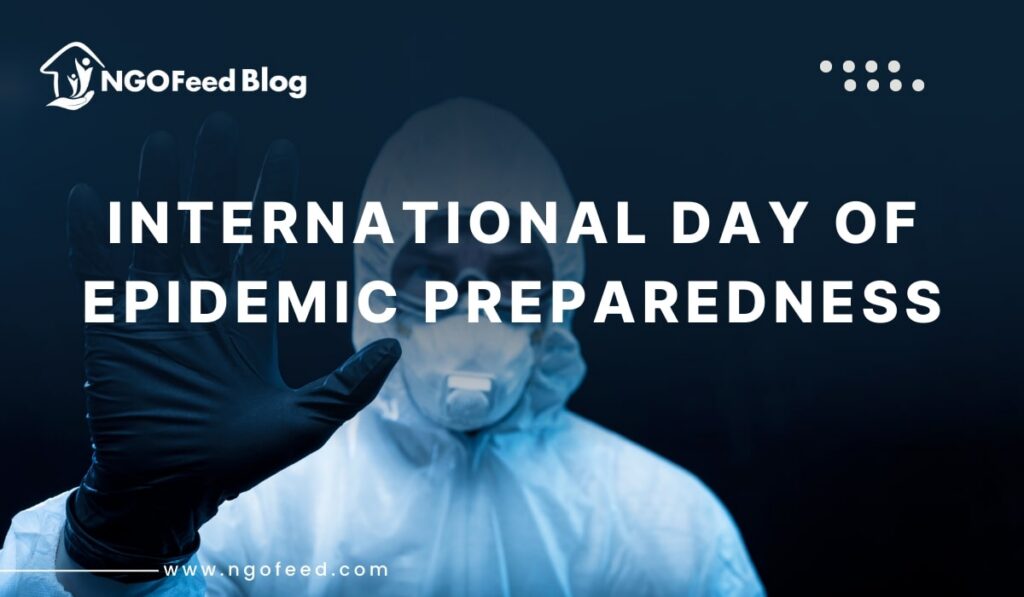
Observed every year on December 27, the International Day of Epidemic Preparedness is a world project aimed at boosting awareness, prevention, and readiness against infectious disease epidemics. Recent pandemics and epidemics like Ebola, Zika, SARS, and COVID-19 have shown how desperately great healthcare systems, scientific cooperation, and community readiness are needed. This celebration emphasizes the need of early warning systems, coordinated emergency reactions, and investments in public health infrastructure to protect communities. It begs governments, nonprofits, healthcare organizations, teachers, and local communities to take initiative steps in preparation for an epidemic.
Table of Contents
What is International Day of Epidemic Preparedness?
United Nations–designated International Day of Epidemic Preparedness seeks to:
- Instructions on infectious diseases and how they spread
- Prevention measures and public health readiness
- World collaboration aimed at lowering epidemic risk
- building the capability of medical facilities
- Level of community involvement in health practices and risk communication
The day stresses prevention over response, therefore promoting constant alertness even in times without significant outbreaks.
International Day of Epidemic Preparedness History
- Responding to the worldwide effects of the COVID-19 epidemic, the United Nations General Assembly set this commemoration on 7 December 2020.
- The resolution acknowledged:
- The terrible financial, social, and health consequences of epidemics
- The need for future readiness
- Significance of worldwide cooperation and scientific solidarity
- The day December 27 celebrates the legacy and contributions of microbiology pioneer Louis Pasteur, whose discoveries revolutionized contemporary medicine and set the groundwork for immunology and vaccinations.
International Day of Epidemic Preparedness 2026 Theme
Although the UN does not declare an official yearly subject, groups often choose themes like:
- “Strengthening Health Systems for Future Threats”
- “Preparedness: the first line of defense.”
- “Science, Solidarity, and Safety”
- Construction of Resilient Communities
- Early discovery saves life.
- Based on your school’s emphasis—health education, vaccination, public safety, or hygiene awareness .
Aims and Targets
The event hopes to:
- Raise public awareness of epidemics and their possible effects.
- Promote investment in research, healthcare infrastructure, and surveillance.
- Encourage vaccination, hygiene, and behaviors to help prevent infections.
- Increase regional emergency response and resiliency.
- Lessen stigmatic attitudes about infectious illnesses.
- Promote international and interdisciplinary collaboration.
- Promote readiness in schools, business, public areas, and elsewhere.
Relevance for Society and NGOs: Why It’s Necessary
- Particularly in low-resource regions, NGOs are instrumental in disseminating health information.
- They help frontline health professionals by offering training, resources, and community outreach.
- NGOs support awareness campaigns on disease prevention, hygiene, and vaccinations.
- During emergencies, they link healthcare facilities and communities.
- Equitable access to essential medications and healthcare is championed by NGOs.
Value for society
- Preparedness lowers mortality during pandemics.
- Resilient and well-informed communities develop.
- Preventive habits—handwashing, vaccination, hygiene—lower daily sickness transmission.
- Health literacy lowers false information and promotes accountable behavior.
- A prepared society guarantees quicker recovery and less financial effect.
Methods of celebration
Organizations, schools, and NGOs can see this day by:
- Health conversation sessions and lectures on epidemic prevention
- hand hygiene, mask use, and respiratory etiquette workshops
- awareness campaigns promoting community health and hygiene
- Essay competitions and poster design for students
- Documentary screenings on world health and pandemics
- Local communities’ awareness of vaccinations motivates them.
- Demonstrations of right handwashing methods abiding WHO guidelines
International Day of Epidemic Preparedness 2026 Activities
Recommended activities for several groups:
For schools
- Classroom studies on cleanliness, immunology, and germs
- Scientific tests using glitter or paint techniques demonstrating germ transmission
- Forming among students “Health Champions” groups
- Competitions in drawing on “Stop the Spread”
FOR NON-PROFITS
- Camps for community health
- Dissemination of hygiene supplies (soap, hand sanitizers, masks)
- Public video reviews of educational material
- Awareness campaigns door-to-door
- For Universities and Organizations
- Courses on emergency response planning
- Interactive Q&A meetings with health specialists
- Mock epidemic response exercises
Involvement and Problems of Non-Governmental Organizations
Function of NGOs
- Offer health literacy initiatives in metropolitan and rural settings.
- Help with immunization initiatives
- Offer emergency help during epidemics.
- Work together with health agencies in the government
- Instruct volunteers in fundamental public health and epidemic readiness.
Problems NGOs Face
- Limited cash and resources
- Accessing isolated or underprivileged communities poses challenges.
- Cultural rejection and disinformation about medical habits
- Heavy workload in epidemic outbreaks
- difficulties in coordination among several departments
Conclusion
The International Day of Epidemic Preparedness helps us to remember that health security belongs to everyone. Emergence of epidemics is possible at any time; preparation is the most effective weapon to guard lives. Communities can reduce the effects of next outbreaks by funding health education, preventive initiatives, scientific breakthroughs, and community resilience. Building a safer, healthier world calls for cooperation among people, schools, health departments, and non-government organizations. Preparedness is a continuous dedication to worldwide well-being rather than a one-day exercise.
Frequently Asked Questions (FAQs)
What is the International Day of Epidemic Preparedness?
A UN-observed day to raise awareness about preventing and preparing for epidemics.
Why is it observed on 27 December?
It aligns with the legacy of Louis Pasteur and highlights the importance of scientific contributions to disease prevention.
What is epidemic preparedness?
It refers to readiness measures—such as surveillance, hygiene, public education, and health infrastructure—to reduce the impact of infectious diseases.
How can schools participate?
By organizing workshops, hygiene demonstrations, poster competitions, and awareness programs.
How do NGOs contribute?
Through health education, outreach programs, vaccination support, and emergency response.
Related NGO's Article Posts