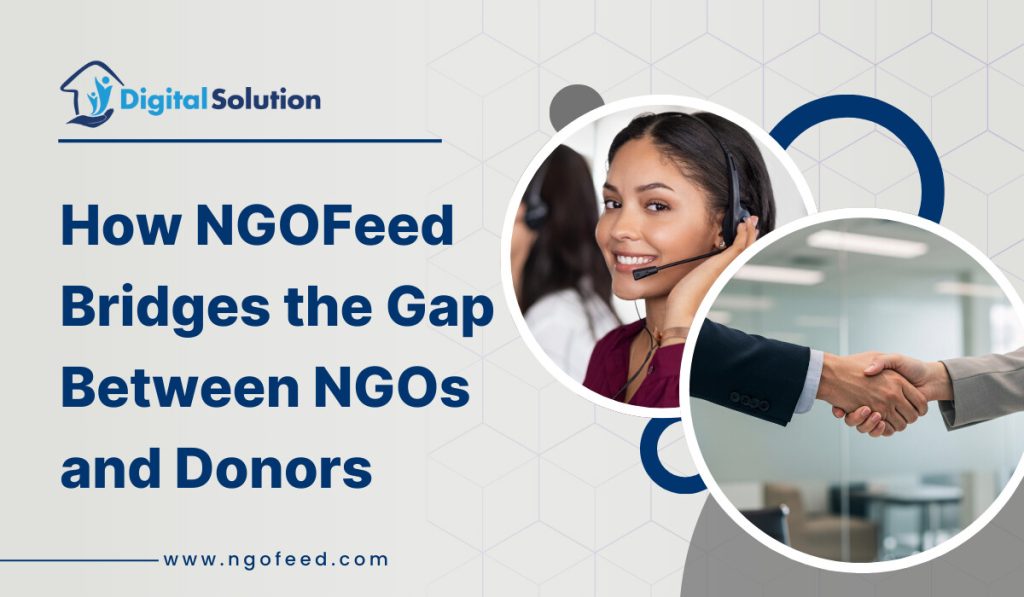
How NGOFeed Bridges the Gap Between NGOs and Donors: In the modern digital-first world, NGOs and donors tend to have the same purpose, which is to make a significant social impact, but they are left apart by information asymmetry, unawareness, and trust issues. NGOs have difficulties in finding the right supporters, and donors have a problem of locating credible organisations and knowing where their funds will benefit most. Such a disconnection may slow the impact and inhibit collaboration over the long term.
NGOFeed is especially significant as it helps to fill this gap by developing a clear, open, and meaningful platform where NGOs and donors can get in touch and trust each other. According to NGOFeed, NGOFeed automated the discovery process of donors by filtering verified NGO profiles, impact stories, and cause-based initiatives, and by giving a voice to both grassroots and established organisations in equal measure. Both the donors and the NGOs obtain clarity and visibility, respectively.
On top of discovery, NGOFeed prioritises information as a source of building trust. The donors are informed by clear details of the organisation, programme understanding and constant updates. Simultaneously, NGOs have the advantage of an organized online presence that presents their activity without the necessity to spend much on marketing.
Above all, NGOFeed puts transactional giving to meaningful engagement. The platform allows forming a continuous partnership, more than a single donation, by facilitating the formulation of awareness, storytelling, and impactful communication within a single area. By doing so, NGOFeed will empower the ecosystem of the social sector to make intent, trust and action collide and form long-lasting transformation.
Table of Contents
The Disconnect Between NGOs and Donors Today
Non-governmental organizations (NGOs) and donors do share mutual interests; however, due to a lack of connection caused by both structural and informational gaps between them, these groups continue to remain disconnected. Using theory to understand disconnects will provide insight into the continued existence of such disconnects.
- Information Asymmetry Theory: Donors are frequently unaware of NGO credibility, impact, and how funds are being used, making it difficult to decide to donate. This creates trust issues for donors.
- Visibility and Attention Theory: Many grassroots organizations experience challenges in finding their digital presence and reaching out to potential donors due to the limited availability of ways to promote their impact in various channels.
- Trust Deficit Theory (Institutional Trust Theory): Donors require increasing evidence or transparency for donations; thus, poor or inconsistent communication negatively affects trust in institutions.
- Fragmentation Theory: NGOs and their respective donors typically operate on different platforms, thus missing opportunities for engagement.
- Transactional Giving (Short-Termism Theory): The absence of sustainable involvement makes donations typically one-time transactions rather than partnerships over time.
Each of the factors mentioned requires the establishment of a platform that will successfully bridge the gap between NGOs and donors, build trust, and support the development of long-term beneficial relationships.
How NGOFeed Creates Transparency and Trust
NGOFeed works to eliminate mistrust in the non-profit sector by using traditional models of accountability, transparency and digital trust. The platform’s design and functionality are geared towards enabling donors to engage with confidence and knowledge.
Transparency Theory
NGOFeed highlights verified nonprofit organization (NGO) profiles that contain comprehensive information about the organization, the organization’s programs and the organization’s areas of focus. Access to relevant information decreases ambiguity and gives donors confidence in their ability to choose wisely.
Accountability Theory
By encouraging the NGOs to provide updates on their activities and progress on programs, NGOFeed has developed a mechanism for NGOs to be held accountable to their donors. Through the consistent and systematic sharing of information, donors will be provided with assurance that their funds are being used correctly and effectively.
Institutional Trust Theory
By providing a centralized source of reliable information, donors are more likely to trust NGOs that publish information consistently, according to a standard, and within an environment that is trusted.
Social Proof Theory
Donors are given confidence by examples of successful collaborations with other NGOs, stories of success, and other signs of activity. All of these attributes lend credibility and enhance the perception of the NGO.
Digital Trust Theory
In order to build trust in a digital environment, a donor should have access to a user-friendly interface, with clear organization of content, and maintain a standard of communication which has been defined by the organization.
With these mechanisms for building donor trust, NGOFeed can eliminate donor hesitation by providing them with the ability to engage with the organization confidently, and for the long-term.
Empowering NGOs Through Digital Visibility and Reach
While NGO work typically makes a huge impact on society, it tends to be overlooked unless there is enough visibility. Through NGOFeed, NGOs are now more visible, understood and supported.
NGOs previously had to compete for the public’s attention through many different channels or media. NGOFeed created a central hub – which is an online platform that connects the public to the work of NGOs based on specific characteristics – that allows the public to discover NGOs and their important works in a centralised area.
The structured-profile format gives NGOs (especially small and grassroots organisations) a credible way to present their work while providing an easy-to-understand format.
Digital visibility must give donors a true sense of relevance within the work of an NGO, rather than just the fact that the NGO exists. When NGOs have the opportunity to highlight the cause(s) they are addressing, the chances of meaningful engagement with potential donors is increased.
Access to the Internet has become an essential business tool for NGOs of all sizes; however, many NGOs with limited or no marketing resources are unable to maintain a reliable Internet presence. NGOFeed offers a cost-effective way for all organizations to present their impact, values, and ongoing programs at the same time without needing to know how to develop a website or understand other technical complexities involved in marketing an NGO online.
NGOFeed serves as a multi-faceted platform that highlights the importance of NGOs through the use of stories, outcomes, and community voices. It helps level the playing field for organisations of all sizes to gain visibility, access support, and create lasting relationships across geographical locations.
Enabling Meaningful Donor Engagement and Long-Term Impact
NGOFeed serves as a way for donors and NGOs to establish a more significant and meaningful relationship and move from one-time donations to creating a broader, longer-term positive impact.
Develop Long-Term Relationships
NGOFeed provides continual interaction with the NGO by allowing donors to receive updates regarding programmes, life stories about beneficiaries, and other content regarding causes that they want to support. This means that donors have an opportunity to follow the NGO’s activity and the people they help throughout the year, instead of just during the time they donate.
Support All Aspects of the Donor’s Journey
NGOFeed walks donors through every aspect of the donor’s journey, from finding an NGO to learning what the organisation does and seeing their impact. This allows the donor to feel connected to the NGO, develop ongoing relationships with them, and provide them with ongoing support.
Create a Deeper Emotional Connection
Through continual storytelling and updates of the organisations’ success stories and impacts, NGOFeed allows donors to have a deeper understanding of what they are supporting. This connection creates a sense of trust and may foster a desire for ongoing participation.
Create Transparency and Accountability
NGOFeed provides donors with access to information about the organisation’s programmes and the outcomes of those programmes, allowing donors to see how their donations have improved the lives of people in developing countries. As a result, donors gain confidence that their donations make a difference and will continue to donate to NGOs.
Build a Community of Support
Through ongoing communication, transparency, and support, NGOFeed encourages donors to become long-term supporters of and advocates for the causes they are passionate about.
Through the various tools and features provided by NGOFeed, donors can build lasting, purposeful, and impactful relationships with NGOs.
FAQs
1. What is the problem that NGOFeed is trying to address to NGOs and donors?
The solution to the invisibility, lack of trust, and communication between the NGOs and the donors is through NGOFeed, which is a clear digital platform where verified NGOs can present their work, and the donors can make informed decisions on giving.
2. What does NGOFeed do to make NGOs more reliable to donors?
NGOFeed enables NGOs to post genuine narratives, impact updates, and programme news regularly, to enable the donors to know how the money is being spent and what results are being produced.
3. How does NGOFeed enhance the involvement of donors?
With regular updates, cause-oriented content, and transparent impact reporting, NGOFeed keeps the donors engaged even after a single donation and promotes long-term engagement.
4. Is NGOFeed helpful to small or grassroots NGOs?
Yes, NGOFeed works on giving smaller NGOs the same digital presence and enables them to find new audiences, tell their mission most effectively, and compete with bigger organisations.
5. What is the contribution of NGOFeed to long-term social impact?
With transparency, constant communication, and long-term donor relations, NGOFeed can help in ensuring that the funding is not received but remains to assist in bringing real change that can be measured over a long time.
Related NGO's Article Posts