
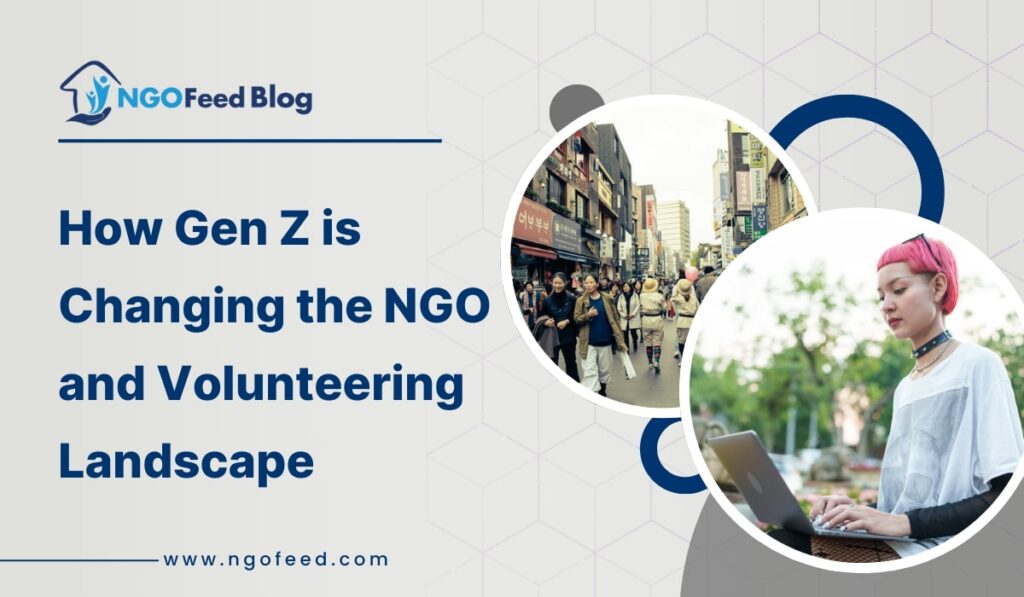
Gen Z Volunteering: Often called technologically savvy, socially conscious, and purpose-driven, Generation Z—those born mostly between 1997 and 2012—is one of the many groups often mentioned. Gen Z is growing up in an age of fast digital change, social movements, and worldwide problems like climate change, poverty, and mental health crises, in contrast to previous generations.
Their reply? Behavior by volunteering.
Gen Z volunteers are introducing innovation, digital literacy, and advocacy into community service along with their hours. Volunteering is a form of activism, empowerment, and identity for them rather than merely humanitarian activity.

Table of Contents
Who makes up Generation Z Volunteers?
Young people looking for significant interaction with social issues are Gen Z volunteers. Over conventional, long-term volunteer positions, they favor project-based influence, digital volunteering, and hands-on engagement.
They believe that every little deed matters and that awareness and empathy start to change.

Why Gen Z Volunteers Stand Out
- Encouraged technologically, they use social media to support causes, collect money, and unite communities.
- Unlike prior generations, they volunteer for ideals and enthusiasm rather than simply for resumes.
- Global Mindset: They view local problems like gender inequality or waste management as pieces of worldwide concerns.
- Gen Zers exhibit creativity from developing apps for social good to creating online campaigns.
- They support working across many groupings and establishing inclusive environments.
Gen Z volunteering drives:
- Deep care for political, social, and environmental problems is social responsibility.
- Volunteering offers them direction and emotional fulfillment.
- Development of Skills: Many views volunteering as a means to acquire useful abilities, including teamwork, leadership, communication, and digital literacy.
- It links them with similar individuals and professional opportunities via networking and opportunities.
- Many Gen Z volunteers see themselves as advocates for long-term institutional reform.
Forms of Volunteering Gen Z Participates In
- Managing social media accounts, developing awareness material, or arranging online fundraising is examples of digital or virtual volunteering.
- Tree planting, trash sorting activities, and climate consciousness campaigns are examples of environmental volunteerism.
- Community outreach: organizing medical camps, giving food, or instructing disadvantaged children.
- Taking part in NGO activities, blood drive, or awareness rallies qualifies one to be an event-based volunteer.
- Highlighting social causes through art, music, and social media trends creative advocacy.
Gen Z Technology’s Role in Volunteering
- Gen Z has made volunteering a digital movement.
- They have enabled anybody to contribute remotely via apps, crowdfunding websites, and internet campaigns. Social media channels like Instagram, TikTok, and X (Twitter) serve educational, organizational, fundraising, and awareness-raising purposes rather than only pleasure.
- Everyone now has civic involvement available thanks to the growth of micro-volunteering (little digital chores like sharing a post, signing petitions, or attending webinars).
Benefits of Volunteering for Gen Z
- Improves social awareness, leadership, and empathy with skill development.
- Career Development: Many businesses value volunteering experience as evidence of teamwork and responsibility.
- Personal Development: Promotes gratitude, resilience, and awareness.
- Social Connection: Enhances meaningful community ties, so lowering isolation.
- Civic Engagement: Helps young people realize their part in helping to create a better society.
Obstacles Voluntaries Gen Z Encounter
- Lack of Time: Regular volunteering is challenging given part-time jobs and academic expectations.
- Limited Resources: Many young-run projects struggle with infrastructure or finance issues.
- Burnout: Excessive exposure to social problems can cause compassion fatigue.
- Problems with Recognition: Their contributions, especially online, are sometimes ignored.
- Sustainability: Maintaining long-term involvement remains difficult without institutional backing or mentorship.
Effective methods NGOs may use to involve Gen Z
- Connect through Instagram, LinkedIn, or volunteering-matching apps using digital platforms.
- Let volunteers participate in project-based or short-term activities with deadlines.
- Link young volunteers with experts to lead them by offering mentorship.
- Present quantifiable results of their efforts to maintain their inspiration.
- Encourage Leadership: Allow Gen Z to plan, design, and lead digital outreach.
- Higher youth involvement and long-term loyalty are seen by NGOs as a change to Gen Z’s working style, tech-driven, adaptable, and open.
Gen Z volunteer efforts include some illustrations.
- Fridays for Future: Young-led climate strikes motivated by Greta Thunberg.
- Offers micro-grants to young changemakers via the Pollination Project.
- With Teach for India Fellows and Youth for Seva, we involve thousands of young Indians in social projects and academics.
- #BlackLivesMatter and #MeToo movements demonstrate how Gen Z combines real-world influence with online activism.
Methods for Inspiring Generation Z Volunteers
- Establish college and high school volunteer groups.
- Encourage corporate youth volunteering initiatives.
- Acknowledge volunteers via awards, certificates, or media spotlights.
- Foster peer-led projects and concept incubation.
- Plan social good youth summits or hackathons.
Conclusion
In the 21st century, Generation Z is redefining volunteerism. They are changing systems, challenging conventions, and inventing for justice rather than simply helping communities.
Their entrepreneurial drive, sensitivity, and energy are influencing a new age of civic involvement whereby technology mingles with empathy.
Gen Z can become the most influential volunteer generation in history if properly empowered and guided, leading the drive toward a fair, sustainable, and human world.
Frequently Asked Questions (FAQs)
Q1. What makes Gen Z volunteering unique?
A. Gen Z volunteers combine technology, creativity, and activism, using digital tools to promote social causes.
Q2. Why do Gen Z individuals volunteer?
A. They volunteer to create social change, develop skills, and align their actions with personal values and global goals.
Q3. What are popular causes among Gen Z volunteers?
A. Climate change, mental health, gender equality, education, animal welfare, and poverty alleviation.
Q4. How can NGOs attract more Gen Z volunteers?
A. By offering flexible, digital, and project-based opportunities with visible impact and recognition.
Q5. Can online volunteering make a real difference?
A. Yes. Online volunteering raises awareness, funds, and mobilizes people globally — making it a powerful modern tool for social change.
Related NGO's Article Posts

Problems with NGO reporting clarified
Introduction For NGOs, reporting is absolutely vital. For companies, it aids in monitoring development, evaluating effects, keeping transparency, and fostering donor, partner,…
Why People Don’t Trust NGOs Anymore?
There was a time when NGOs were considered icons of compassion, social change and public service. They stepped in when governments and…
AI for NGO Project Reporting: How AI Can Make Reporting Faster and Smarter
Project reporting is important for NGOs, but it can take up hours of employees' time. Teams have to collect information from spreadsheets,…
Why NGOs Fail to Follow Up With Contributors?
Follow-ups with contributors are a crucial component of nonprofit fundraising. Donors not only provide cash but also show faith in the cause…
Visual Identity for NGOs: A Practical Guide to Building a Strong Nonprofit Brand
Before people recollect the organization’s name, they are likely to identify it visually. Specific features such as a logo, colour palette, style…

Cloud Storage Guide for NGOs: A Practical Guide to Secure File Management
NGOs deal with an astonishing amount of online information: It ranges from donor information, financial documents, beneficiary information, project reports, pictures, and…

AI for Proposal Writing: A Practical Guide for NGOs
It takes time and effort, as well as knowledge about what funders look for, to create a successful funding proposal. It is…

Theory of Change Explained for NGOs: A Simple Guide to Planning Impact
Many NGOs are aware of the outcome they want to achieve, but how their programs will help to achieve it may require…