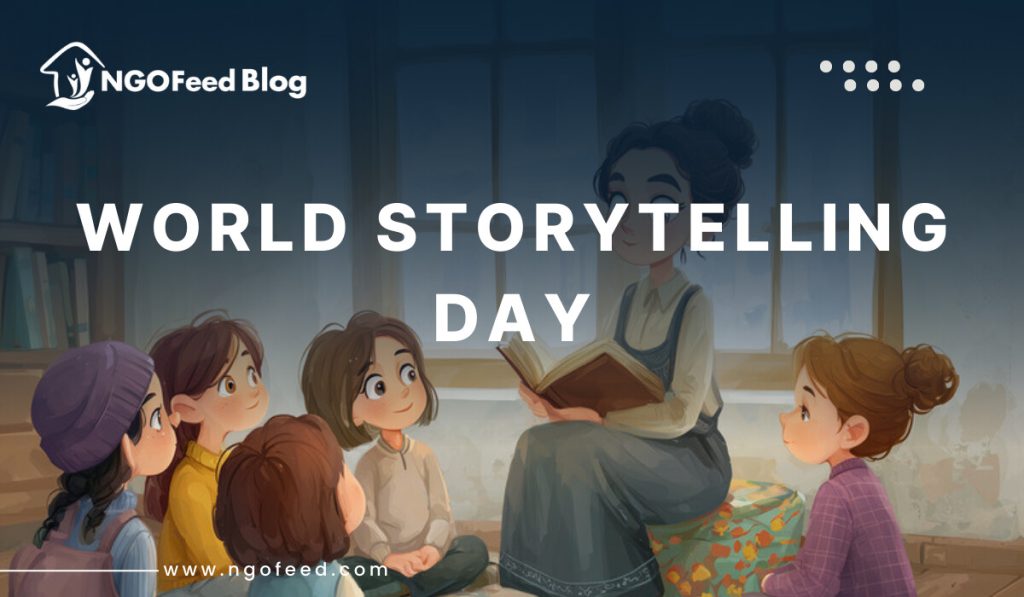
World Storytelling Day 2026: Among the oldest kinds of human expression, narrative is a vehicle for motivation, education, and entertainment. Celebrated on March 20, World Storytelling Day is an international celebration of the power of tales in influencing civilizations, safeguarding legacy, and fostering links between people over generations.
Table of Contents
What is World Storytelling Day?
World Storytelling Day is a worldwide festival of all forms of storytelling oral, written, digital, or performed. It inspires storytellers, teachers, writers, and fans all over to present stories stressing human experiences, creativity, morals, and imagination. Through shared stories, the occasion hopes to advance the craft of narrative and build bridges among individuals.
Background
In Europe during the 1990s, the concept of a worldwide storytelling day developed with the purpose of gathering storytellers to honor this old craft. Over time it developed into a worldwide movement including several nations. Reflecting the transforming power of tales, the date 20 March corresponds with the spring equinox, symbolizing renewal, relationship, and shared experiences.
World Storytelling Day 2026 Theme
World Storytelling Day chooses a theme annually to bring people around together. Themes encourage writers to investigate different stories. Some past cases include:
- Facts and Myths
- Legends and Myths
- Stories of Bravery
While fostering universal values and cultural understanding, the topic stimulates creativity.
Goals and Targets
- Support storytelling’s art and history across the globe.
- Keep traditions and folklore alive.
- Increase creativity, literacy, and communication ability.
- Develop understanding and empathy across groups.
- Through narrative, foster social awareness and involvement.
Reasons it is valuable
For nonprofits, storytelling is a powerful instrument for:
- Rising knowledge about social problems, including gender equality, education, environment, and health
- Inviting local groups in participative activities
- Enhancing youth development and cultural identity
For the general society, storytelling:
- Preserves customs and history
- Encourages critical thought and inventiveness
- Links several communities via common events.
How to Mark
Celebrate via persons, institutions, and groups by:
- Arranging storytelling events at schools, libraries, or community centers
- Hosting Online narrative webinars or events
- Sharing tales online via blogs or social media
- Motivating young people and youngsters to relate cultural or personal narratives.
World Storytelling Day Events
Possible activities are:
- Workshops in storytelling for youngsters and adults
- Folk tale and legend narrative sessions
- Festivals and competitions honoring oral and written narrative
- Awareness programs using narrative to communicate social problems
- Digital storytelling competitions using music, video, or animation
NGOs: Role and Challenges – World Storytelling Day
Role of nonprofits:
- Arrange reading programs and storytelling workshops in rural areas and schools.
- Use narratives to sensitize communities on social, health, and environmental concerns and to teach them.
- Keep local traditions and stories alive.
Difficulties Encountered:
- Constrained funding and resources for major narrative initiatives
- Challenges in interacting with far-flung or underprivileged groups
- Absence of trained facilitators or storytellers
- Measuring impact and involvement in social awareness programs
Though difficult, NGOs are still key to maintaining the cultural and intellectual influence of storytelling.
Conclusion
World Storytelling Day is more than just a celebration; it’s a worldwide initiative to unite mankind through stories. It fosters creativity, strengthens cultural relations, and enables people to share experiences and knowledge. NGOs, schools, and communities can use this day to teach, motivate, and promote empathy, therefore guaranteeing that storytelling will continue to be a dynamic and effective component of society.
Frequently Asked Questions (FAQs)
Q1. Why is World Storytelling Day celebrated on 20 March?
The date coincides with the spring equinox, symbolizing renewal and connection, which mirrors the transformative power of stories.
Q2. Who can participate?
Anyone—storytellers, educators, students, NGOs, and cultural enthusiasts.
Q3. What kinds of stories are shared?
Folk tales, myths, legends, personal experiences, fairy tales, or socially relevant narratives.
Q4. How can NGOs use storytelling for social impact?
By conducting workshops, awareness campaigns, and educational storytelling sessions to convey messages on health, education, environment, and social issues.
Q5. What is the significance of storytelling for children?
It enhances language development, creativity, critical thinking, cultural awareness, and emotional intelligence.
Related NGO's Article Posts