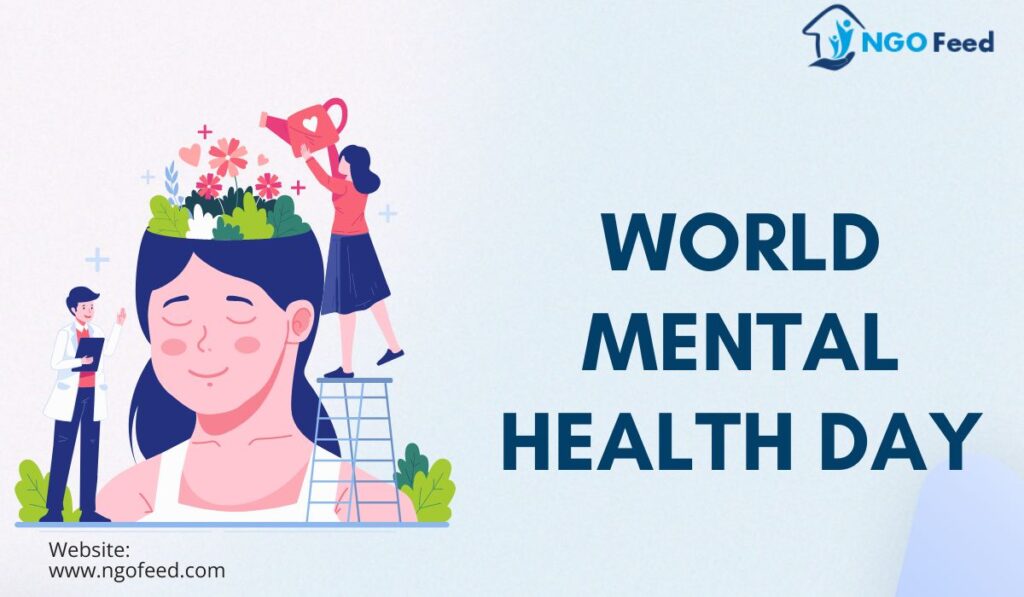
World Mental Health Day 2026: Did you know that there are numerous cases related to mental health issues and panic attacks in today’s society? There have been recorded cases of workplace deaths due to mental health instability in the current generation. Since 1948, the World Federation has observed Mental Health Day on October 10th every year.
Table of Contents
Importance of Mental Health Today
Mental fitness is critical in average health and influences how we think, experience and behave by affecting our relationships, paintings and normal life stories. But what topics is it that tens of millions of human beings around the arena still have barriers to gaining access to mental fitness care because of stigma, ignorance, or lack of resources?
In today’s generation approach in 2026 intellectual health will be at the vanguard of mainstream conversations around the world. The global offers with the continuing outcomes of climate exchange, political instability, pandemics and post-pandemic activities—all of that have caused increased anxiety, melancholy and stress around the sector from college students to healthcare experts, refugees to normal citizens, intellectual fitness troubles are enormously intertwined with broader social demanding situations.
Also Read: Role of NGOs in Cancer Care
History of World Mental Health Day
Under this section, you will be able to learn information about an important event in the world as per the official details, the World Federation for Mental Health is an international membership organization established in 1948. World Federation for Mental Health began with members, ‘not of individuals or countries, but of societies’ from 46 countries. According to the WFMH, they have members and contacts in over 90 countries, the organization chronicles the emergence of a global movement, one that has tirelessly championed the cause of mental health awareness, shattered stereotypes around mental disorders, and kindled a beacon of hope for individuals worldwide.
World Mental Health Day 2026 Theme
As of now, the official theme for World Mental Health Day 2026 has not yet been formally announced by the World Health Organization or the World Mental Health Day campaign sponsors—past themes are published through WHO in the months leading up to October
Also Read: Role of NGOs in Disabled Person
WHO Key Messages on World Mental Health Day 2026
In this section, we will provide you with some information about the World Health Organization’s (WHO) key messages for World Mental Health Day 2026.
- Mental health and work are closely linked
- Workers face risks to mental health.
- Impact on individuals.
- Wider impact on work and society
- Stigma creates barriers to employment.
- Supporting workers to participate and thrive in work.
- Training managers to support mental health.
- Government action and collaboration are essential.
- Taking care of your mental health.
Source: www.who.int
The UN System Mental Health Strategy for 2026
The UN System Mental Health and Well-being Strategy for 2026 and beyond are designed to assist the United Nations in creating a working environment that is conducive to good mental health and that ensures that support is available when it is needed.
The Strategy calls on UN organizations, teams and individuals to step up efforts to:
- Prevent risks to mental health at work.
- Promote well-being and protect mental health at work.
- Support personnel with mental health conditions.
Source: www.un.org
Role of NGOs in Mental Health
In the field of mental health, non-governmental organizations (NGOs) play an important role in addressing and supporting mental health issues through various activities:
- Advocacy and policy impact: Working to reduce stigma and advocate for better mental health care and funding.
- Support and Direct Services: NGOs provide essential services such as counselling, treatment and crisis intervention to individuals in need.
- Education and Training: Training and public education are provided to mental health professionals to raise awareness and promote early intervention.
- Research and data collection: NGOs research to better understand the mental health situation and collect data to inform their policies and programs.
NOTE: To access more information about the involvement of NGOs and their major role in Mental Health, please follow the provided link.
WFMH Global Campaign 2026 Impact Glimpse
- 2 Million Impressions on WFMH Social Media Platforms
- 200K Outreach through Share Your Initiative
- 70K Users On the Campaign’s Official Website
- 150 Days Duration of the Global Campaign
- 100 Events Partnered and Featured by WFHMH
- 30 Countries Via Global Events and Initiatives
- 50 Associations with Universities and Organizations
- 1500 Volunteers In the Global Volunteers team
- 3000 Participants in Virtual and In-Person Events
- Strengthening Global Mental Health Advocacy
- Focus on Crisis-Responsive Mental Health
- Convening at Strategic Global Events
- Campaign Toolkits and Resources
Also Read: Role of WHO in Healthcare
Conclusion
As we mark World Mental Health Day in 2026, it’s clear that intellectual health remains a crucial international trouble that calls for continued attention and action. NGOs around the world are playing a transformative role in addressing those demanding situations, ensuring that intellectual fitness care reaches all corners of society, in particular the ones maximum in need.
1. What is World Mental Health Day?
World Mental Health Day is observed every year on 10 October to raise global awareness about mental health issues and to mobilize efforts in support of mental well-being worldwide.
2. Who organizes World Mental Health Day?
The day is initiated and led by the World Federation for Mental Health (WFMH), with support from global partners including the World Health Organization (WHO).
3. What is the focus of the WFMH Global Campaign 2026?
The 2026 campaign emphasizes strengthening mental health systems, especially in crisis and humanitarian settings, while promoting accessibility, equity, and community-based care worldwide.
4. Why is the campaign important?
Mental health conditions affect millions globally. The campaign:
Reduces stigma and discrimination
Encourages early intervention
Advocates for policy change
Promotes integration of mental health into primary healthcare
Top NGOs State Wise List
Related Important Days Posts