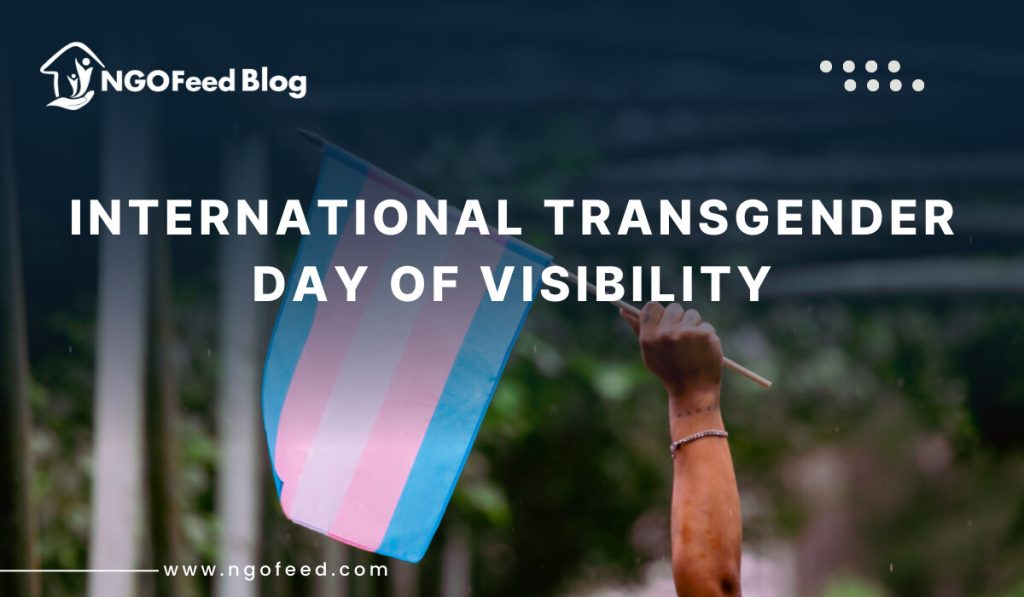
Celebrated yearly on March 31, International Transgender Day of Visibility (ITDV) honors the lives, successes, and contributions of transgender and gender-varied individuals all around. The day aims to draw attention to the prejudice, violence, and societal exclusion experienced by transgender groups as well. This observance helps to advance human rights and equality by encouraging visibility, respect, and acceptance.
Table of Contents
What is the International Transgender Day of Visibility Nature?
International Transgender Day of Visibility is a worldwide awareness campaign emphasizing recognition, representation, and respect for transgender people. This day celebrates visibility and empowerment above remembrances by emphasizing good narratives, leadership, resiliency, and contributions made by transgender people in society.
Background
In the United States, transgender activist Rachel Crandall-Crocker established the day in 2009. Designed to help with the lack of awareness for living transgender people—as many talks at the time centered mostly on abuse and victimhood— From then on, ITDV has developed into a globally respected event sponsored by human rights organizations, NGOs, and advocacy groups worldwide.
International Transgender Day of Visibility 2026 Theme
Often without a single formal worldwide theme, International Transgender Visibility Day does not always Yearly campaigns, however, usually center on topics including:
- Legal acknowledgment and transgender rights
- Healthcare accessibility
- Educational and economic inclusion
- Acceptance, dignity, and safety
Companies choose topics according on local problems and priorities.
Targets and Goals
- To honor transgender achievements and identities
- To raise public knowledge on transgender concerns
- To fight stereotypes, prejudice, and stigma
- In support of legal, social, and financial inclusion
- To promote allyship and support for transgender rights
Relevance for NGOs and Society: Why It Matters
For societies:
- Promotes acceptance, compassion, and understanding
- Advocates human rights and equality.
- Challenges damaging prejudices and beliefs
For NGOs:
- Offers a forum to promote changes in policy.
- Enhances community involvement and outreach
- Supports inclusion and gender diversity education.
- enhances development discussion for transgender voices.
Visibility is a strong step toward justice and dignity in both underdeveloped and developed nations.
Ways of Celebration
Participating can be NGOs, corporations, and people by:
- Organizing panel discussions and educational seminars
- On social media, spreading transgender successes and stories
- Planning inclusive events and community conversations
- Coordinating workplace and school sensitizing initiatives
- Backing initiatives run by transgender people
Activities and Schedules
- Workshops on inclusion and gender identity
- Narrative and testimonial meetings conducted by transgender persons
- Legal awareness events on rights and protections
- Programmes for health and wellbeing for transgender communities
Art exhibitions, film screenings, and cultural activities celebrating transgender stories.
NGOs’ Tasks and Difficulties
NGO contribution:
- Legislation for legal recognition and anti-discrimination advocacy
- offering job assistance, schooling, and medical care
- Building communities with secure environments
- Encouragement of leadership among transsexual people
Obstacles Encountered:
- social prejudice and resistance
- Limited financial support for programs aimed at transgender people
- Legal and political hurdles in certain areas
- Representational and lack of reliable data
Still, NGOs are still at the heart of promoting inclusion and transgender rights in spite of these difficulties.
Conclusion
A strong reminder that visibility leads to acceptance and acceptance leads to equality, International Transgender Day of Visibility helps us. Society comes closer to inclusion and justice by honoring transgender lives and boosting their voices. To make sure visibility turns into genuine transformation where transgender people can live with dignity, safety, and equal opportunity NGOs, lawmakers, and people have to collaborate.
Frequently Asked Questions (FAQs)
Q1. Why is visibility important for transgender people?
Visibility helps combat stigma, promotes understanding, and affirms transgender identities in society.
Q2. Is this day only about celebration?
No, it combines celebration with advocacy, awareness, and education.
Q3. How is this different from Transgender Day of Remembrance?
Visibility Day celebrates living transgender individuals, while Remembrance Day honors victims of anti-transgender violence.
Q4. How can NGOs support transgender communities beyond this day?
Through sustained advocacy, inclusive programs, policy engagement, and empowerment initiatives.
Q5. How can individuals be allies?
By educating themselves, using respectful language, supporting inclusive policies, and standing against discrimination.
Related NGO's Article Posts